Skip to content
A special 10% off on your first order!
WELCOME10 | FREE SHIPPING 🌍
A special 10% off on your first order!
WELCOME10 | FREE SHIPPING 🌍
Medicinal Mad Honey

15 Proven Ways to Verify Real Mad Honey: Guide to authenticity & genuineness

By Rashmi Kandel

22 min read. Updated 12:08 AM, Jan 28, 2026

ways-to-verify-real-mad-honey

Mad honey has gained attention of natural remedy lovers, adventurous food lovers and wellness seekers around the globe. However, as the popularity increases, there is a dark side to it: the market is full of imitations and low-quality goods. When you are looking to get genuine mad honey, you must have come across conflicting information, different prices, and sellers that make empty promises without supporting them.

This comprehensive guide will teach you exactly how to verify authentic mad honey, understand what makes it genuine, identify trusted sources, and safely experience this remarkable natural product. Whether you're interested in real mad honey from Nepal or Turkish varieties, this article covers everything you need to know.

Executive Summary

  • What It Is: Real mad honey is a rare psychoactive honey from Nepal and Turkey containing natural grayanotoxins (0.1-2.5 mg/g) from rhododendron nectar, harvested by giant Himalayan honeybees at high altitudes.
  • Authentication Methods: Verify authenticity through 15 expert methods including lab testing for grayanotoxins, examining reddish-brown color, confirming bitter aftertaste, checking Himalayan/Turkish origins, and demanding supplier transparency.
  • Counterfeit Crisis: The market is flooded with fakes—regular honey with additives, diluted products, and geographic misrepresentations that waste money and pose health risks.
  • Safe Usage: Start with 1 teaspoon on an empty stomach, wait 60-90 minutes for effects (relaxation, mild euphoria), expect 3-5 hour duration, and avoid if you have cardiovascular conditions or take heart medications.
  • Where to Buy: Source from reputable specialized suppliers with direct harvesting relationships, third-party lab reports, customer reviews across multiple platforms, and clear origin documentation from Nepal or Turkey.

What Is Real Mad Honey? Understanding This Rare Delicacy

real mad honey from nepal

Real mad honey or Magic Honey is a rare and strong type of honey that bees make that feeds mostly on rhododendron flowers that grow in high altitudes, also called deli bal in Turkey and bhir maha in Nepal. Real mad honey has natural psychoactive and medicinal properties unlike normal honey due to its natural compounds known as grayanotoxins.

The Geographic Origins of Authentic Mad Honey

Genuine mad honey comes from only a handful of regions worldwide where specific conditions align perfectly. The primary sources of real mad honey are:

Nepal's Himalayan Regions: The best known origin of the actual mad honey is the steep cliffs of Nepal where the giant Himalayan honeybee (Apis laboriosa) constructs the colonies at 2,500-4,000 meters. These honeybees are the largest honeybees in the world and forage into rhododendron species including Rhododendron ponticum, Rhododendron luteum and other wildflowers that grow on these elevations.

Turkey's Black Sea Region: Another type of real mad honey is made in the mountainous terrain of the Black Sea coast of Turkey, especially around the Kaçkar Mountains. Mad honey of Turkey is a documented cultural product that has been one of the significant products in the region.

Other Limited Regions: Small quantities of mad honey are occasionally harvested from parts of Bhutan, some regions of the Caucasus, and isolated areas of the Pacific Northwest in the United States where rhododendron species grow wild.

What Makes Mad Honey "Real"?

The authenticity of real mad honey depends on several critical factors that cannot be artificially replicated:

Natural Grayanotoxin Content: Real mad honey contains grayanotoxins (primarily grayanotoxin I, II, and III) derived exclusively from rhododendron nectar. The concentration typically ranges from 0.1 to 2.5 mg per gram of honey, depending on the season, specific rhododendron species, and geographic location.

Specific Bee Species: Apis laboriosa, the giant Himalayan honeybee, is the only honeybee that produces authentic Nepalese mad honey. These bees construct huge open nests on the cliff-faces and have co-evolved with the high-altitude rhododendron woodland during millennia.

Traditional Harvesting Methods: Authentic Nepalese mad honey is harvested by risky cliff-side harvesting by skilled honey hunters, who are mostly Gurung and Rai ethnic groups. This is a traditional knowledge that has been inherited.

Seasonal Variations: Grayanotoxin concentration of actual mad honey is seasonal. Harvests made in spring when rhododendrons are at their peak bloom tend to have more grayanotoxins than those made in autumn.

Limited Production: Real mad honey is scarce because it requires specific ecological conditions, traditional knowledge, and labor-intensive harvesting. Annual production from Nepal is estimated at only a few thousand kilograms globally.

The Science Behind Mad Honey's Unique Properties

Understanding what makes real mad honey special requires looking at the biochemistry that sets it apart from ordinary honey.

Grayanotoxins: The Active Compounds

Grayanotoxins are diterpenoid products which are naturally found in plants of the Ericaceae family, especially rhododendrons and azaleas. When bees pick nectar in these flowers, the grayanotoxins are passed on to the honey without being metabolised or degraded.

These toxins act by attaching to sodium channels in cell membranes, thus inhibiting them to close normally. This mechanism influences the cardiovascular system and the nervous system with the characteristic effects of the actual mad honey consumption.

Studies in peer-reviewed journals have found more than 25 varieties of grayanotoxin, but the most widespread grayanotoxin in real mad honey are grayanotoxin I and III. These compounds are concentrated and have a certain composition depending on the species of rhododendrons that the bees have.

Traditional and Modern Uses

Throughout history, real mad honey has been used for various purposes:

  • Traditional Medicine: In Nepal and Turkey, folk medicine has applied real mad honey to treat hypertension, diabetes, arthritis and digestive problems. Although these conventional applications are common, it is worth mentioning that there is little scientific data to prove these applications.
  • Aphrodisiac Properties: Real mad honey has been traditionally a well-known natural aphrodisiac in Turkey and other places. This reputation has made it desirable and unfortunately to the spread of fake products.
  • Recreational Use: Other consumers use real mad honey as a mild psychoactive drug with possible effects of relaxation, euphoria and altered perception in moderated doses.
  • Wellness Applications: The current focus of real mad honey is on its bioactive compounds which are unique and the future use of these compounds in integrative medicine, although further studies are required.

The Effects of Real Mad Honey

When consumed in appropriate amounts, real mad honey produces several distinctive effects:

  • Low Doses (1 teaspoon or less): Light relaxation, slight warmth in the body, increased sensory awareness, and a feeling of relaxation. Other users complain of a better mood and minor changes in energy.
  • Moderate Doses (1-2 tablespoons): Stronger effects such as light-headedness, euphoria, heightened colour perception, tingling sensations, reduced blood pressure and slowed heart rate. These effects are usually manifested in 30-90 minutes and take 2-4 hours.
  • High Doses (over 2 tablespoons): May cause too much salivation, nausea, vomiting, dizziness, blurred vision, loss of coordination, marked reduction in blood pressure, and in extreme cases, heart problems. This is the reason why dosage control is entirely important.

Real Mad Honey vs. Fake: Understanding the Difference

The growing demand for real mad honey has created a lucrative market for counterfeit products. Understanding the differences between authentic and fake mad honey can save you money, disappointment, and potential health risks.

Common Counterfeiting Methods

Unscrupulous sellers employ various tactics to pass off inferior products as real mad honey:

  • Regular Honey with Additives: The most common fake involves ordinary honey mixed with adulterants to simulate mad honey's effects. Some counterfeiters add pharmaceutical compounds, herbal extracts, or even synthetic substances to create psychoactive effects.
  • Geographic Misrepresentation: Sellers may claim their honey comes from Nepal or Turkey when it actually originates from completely different regions where rhododendrons don't grow or where bees don't forage on them.
  • Diluted Mad Honey: Some products contain real mad honey but heavily diluted with regular honey, reducing grayanotoxin levels to ineffective concentrations while still technically being "mad honey."
  • Artificial Coloring: Counterfeiters add food coloring to regular honey to mimic the reddish-brown hue associated with real mad honey.
  • Mislabeled Products: Generic honey relabeled with attractive packaging and claims about mad honey's origins and effects.

Why Fake Mad Honey Is Problematic

Beyond wasting money on an inferior product, fake mad honey poses several concerns:

  • Health Risks: Unknown adulterants could cause allergic reactions, drug interactions, or toxic effects. Without laboratory testing, you can't know what's actually in counterfeit products.
  • Ineffective Results: If you're seeking real mad honey for its unique properties, fake products will deliver nothing but disappointment.
  • Economic Impact: Counterfeit sales undermine legitimate honey hunters and their communities who depend on real mad honey sales for their livelihoods.
  • Market Confusion: Widespread fakes make it harder for consumers to trust any mad honey products and damage the reputation of authentic sellers.

15 Expert Methods to Verify Authentic Mad Honey

Based on scientific research, traditional knowledge, and industry expertise, these are the most reliable methods to ensure you're getting real mad honey.

1. Source from Reputable, Established Suppliers

The foundation of purchasing real mad honey is selecting trustworthy vendors. Reputable suppliers demonstrate several key characteristics:

  • Transparency About Origins: They also give a lot of information on the very source of their honey such as names of regions, villages or mountain ranges. General statements such as "from the Himalayas" without details should be a red flag.
  • Long-Standing Market Presence: Established suppliers are usually those that are several years old and have reputations that they cherish. Inquire about the length of operation of the company and their regularity on the internet.
  • Direct Relationships with Harvesters: The most effective suppliers do not have to deal with several intermediaries but with the communities of honey hunters. This guarantees the improved quality control and equitable payment to harvesters.
  • Responsive Customer Service: Legitimate sellers are easy to respond to questions regarding their products, sourcing, testing, and harvesting methods. In case of an evasive supplier or one who gives conflicting information, beware.
  • Professional Business Practices: Find well-registered companies with contact details that can be verified, physical addresses (not P.O. boxes only), and professional websites that do not make any exaggerated claims.

2. Verify the Precise Geographic Origin

Real mad honey can only come from specific regions where the right combination of bee species and rhododendron flowers exists.

  • Nepalese Mad Honey: Authentic Nepalese mad honey is found in such districts as Lamjung, Kaski, Tanahun, Gorkha and other central and western Nepal where Gurung and Rai people are traditional honey hunters. The suppliers are expected to identify particular districts or even villages.
  • Turkish Mad Honey: Genuine Turkish deli bal comes from the Kaçkar Mountains and surrounding areas in provinces like Rize, Artvin, and Trabzon along the Black Sea coast.
  • Documentation: There are high-end suppliers who offer records of their honey going to particular harvest sites. Such documentation is not always present but it goes a long way in enhancing confidence in authenticity.
  • Seasonal Considerations: The honey of real mad is usually picked twice in a year, spring (May-June) and fall (September-October). Be cautious of suppliers who are saying they have fresh harvests all year round because this is an indicator that they are combining batches or selling old inventory.

3. Examine Color and Visual Consistency

Real mad honey has distinctive visual characteristics that differ from regular honey and are difficult to convincingly counterfeit.

  • Color Range: Authentic mad honey is normally light amber to reddish-brown or mahogany. The precise shade depends upon the particular rhododendron species, other flower sources, and the time of harvest. The spring harvests tend to be darker and more reddish.
  • Translucency: Real mad honey should be semi-translucent with a slight cloudiness when put under the light. It is not supposed to be entirely transparent as certain processed honey, but it is not supposed to be opaque either.
  • Consistency Over Time: Raw honey might crystallize over time and this is normal in real mad honey. The crystallization pattern is not supposed to be patchy or separated.
  • Natural Variations: Expect some variation between batches, as real mad honey is a natural product affected by weather, bloom timing, and local conditions. Suspiciously identical batches year after year might indicate industrial processing or counterfeiting.

4. Assess Texture and Viscosity

The physical consistency of real mad honey provides important authenticity clues.

  • Thickness: Real mad honey is usually of medium to thick consistency at room temperature, not solid but thicker than most of the commercial honeys. When poured it should flow slowly.
  • Temperature Sensitivity: Real mad honey, like all honey, is more liquid when hot, and more solid when cold. It must be smooth and viscous at approximately 68-72F (20-22C).
  • Texture When Spread: Real mad honey is supposed to be spread without being too grainy (unless crystallized) or liquid. When the liquid is separated to the main mass, it is an indication of adulteration or ineffective storage.
  • The Water Test: Place a drop of the honey in water without stirring. Real honey will stick together and sink to the bottom initially, then slowly dissolve when stirred. Fake honey often dissolves quickly or disperses immediately.

5. Verify Grayanotoxin Content Through Laboratory Testing

The most definitive proof of real mad honey is laboratory confirmation of grayanotoxins.

  • Lab Reports: Reputable suppliers often provide third-party laboratory analysis showing grayanotoxin concentrations. These reports should come from accredited laboratories and include specific measurements (typically in mg/g or mg/kg).
  • Acceptable Ranges: Real mad honey typically contains 0.1-2.5 mg of grayanotoxins per gram. Higher concentrations aren't necessarily better and can pose safety risks. Lower concentrations might indicate dilution or honey from bees that foraged on mixed flora.
  • Testing Methods: The most reliable testing uses high-performance liquid chromatography (HPLC) or liquid chromatography-mass spectrometry (LC-MS). Ask suppliers what testing method was used.
  • Request Documentation: Don't hesitate to ask suppliers for lab reports before purchasing. Legitimate sellers proudly share this information; those who can't or won't provide it should be avoided.
  • Independent Testing: For large or expensive purchases, consider having the honey independently tested. Several laboratories offer honey analysis services, though this adds cost.

6. Investigate the Harvesting Process

Understanding how the honey was collected provides insight into its authenticity and quality.

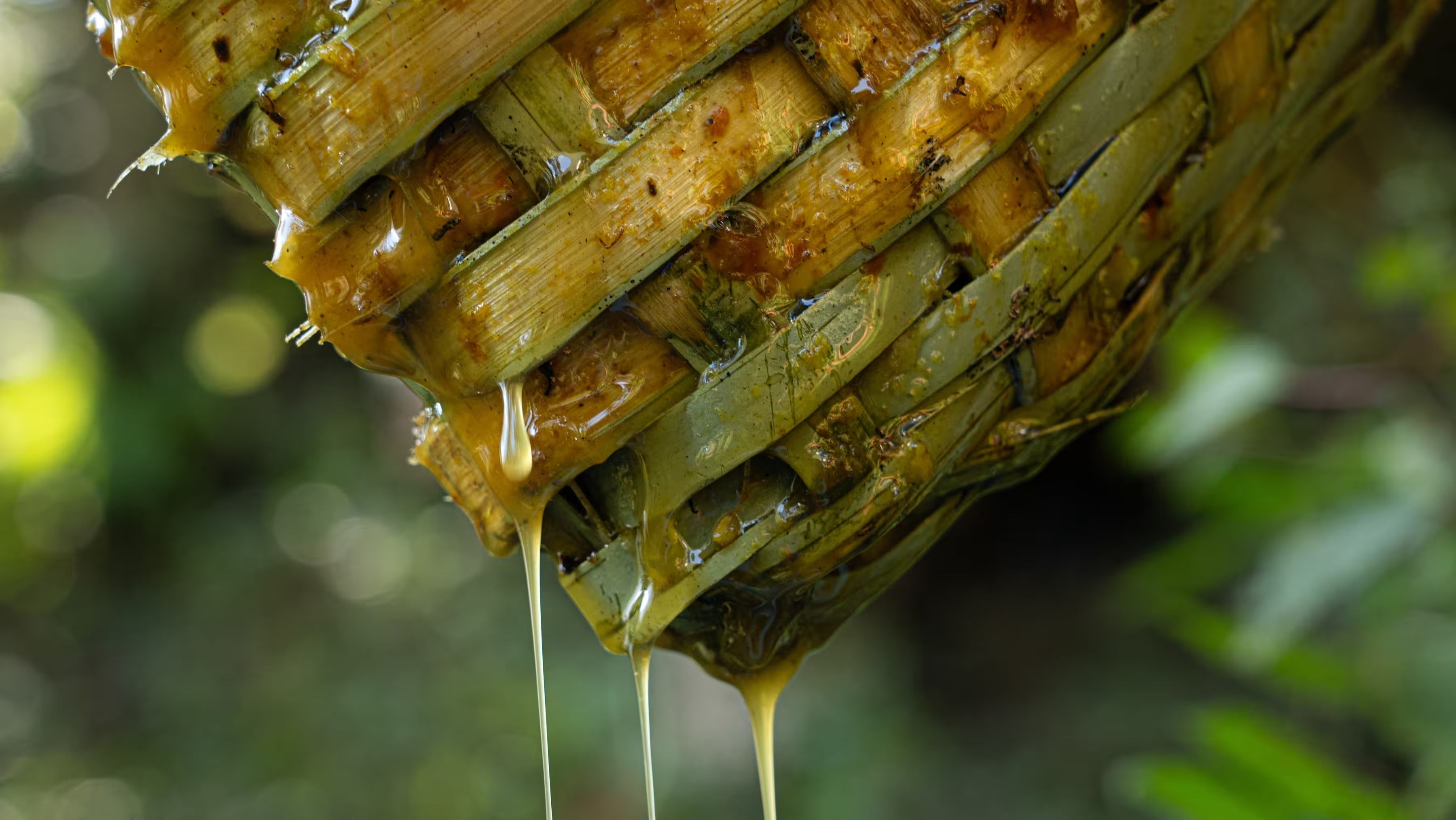
  • Traditional Methods: The mad honey is actually harvested by Nepalese rope ladders, bamboo poles and smoke to calm the bees, which is a practice that has not changed much over centuries. Honey hunters (also known as honey warriors) climb down cliff faces to access the huge exposed combs.
  • Harvester Identity: Certain suppliers are able to determine the particular honey hunting teams or communities that they deal with. The Gurung people, especially the Lamjung district are known honey hunters who have specialized knowledge that is transmitted over generations.
  • Sustainable Practices: Ethical harvesters do not destroy the combs and leave the bee colonies with enough honey to survive. Inquire about whether the suppliers are using sustainable harvesting practices that are sustainable to the bees and the local communities.
  • Fair Trade Considerations: The communities who risk their lives to harvest real mad honey should be fairly compensated. Find suppliers who believe in fair trade and community growth.
  • Documentation: Other high-end suppliers offer pictures or videos of real harvesting trips. Although not airtight, this kind of documentation shows transparency and affiliation to source communities.

7. Evaluate the Aroma Profile

Real mad honey has a distinctive scent that differs from regular honey and is challenging to replicate artificially.

  • Primary Notes: Authentic mad honey is usually highly floral sweet and earthy and herbaceous in its aroma. You may find traces of wild flowers, mountain herbs, and a faint woody nature.
  • Rhododendron Influence: Some individuals find a faintly sharp or resinous scent that indicates the rhododendron nectar source.
  • Absence of Artificial Scents: Real mad honey is not supposed to be too sweet, fragrant, or unnatural. Any odor of chemicals, artificial flowers, or anything that reminds of solvents is a sign of adulteration.
  • Intensity: The smell must be felt upon opening the container but not too strong. It is to smell of high-quality natural honey with added complexity.
  • Test Method: Warm a small amount slightly (hand temperature) to release aromatics. Real mad honey's scent becomes more pronounced but remains natural and balanced.

8. Taste Profile Analysis

The flavor of real mad honey is distinctive and provides one of the most accessible authentication methods.

  • Initial Taste: Real mad honey begins with sweetness like normal honey but usually not as strong. You can hear the floral notes and the sweetness.
  • Mid-Palate: When the honey is coating your mouth, you ought to pick up herbal or botanical flavors, occasionally referred to as a bit medicinal or earthy. This is an indication of the varied mountain flora that the bees were able to reach.
  • Characteristic Bitterness: A slight to moderate bitter or tannic aftertaste is one of the characteristic properties of real mad honey. This is due to grayanotoxins and other chemicals in rhododendron nectar that cause this bitterness. Honey that is not bitter, but sweet, is probably not real.
  • Slight Tingling: Others complain of a very slight tingling or numbing of tongue or lips when they taste genuine mad honey, especially that which contains more grayanotoxin.
  • Complexity: The flavor profile of real mad honey must be complex and layered and change with each taste. One-dimensional, simple sweetness implies ordinary honey.
  • Aftertaste Duration: The flavor of actual mad honey is more enduring than that of ordinary honey, and may last several minutes. The bitter or herbal notes are to be the last to dissipate.

9. Observe Physical Effects

While not a definitive authentication method, the effects experienced after consumption can indicate whether you have real mad honey.

  • Timing: Effects from real mad honey typically begin 30-90 minutes after consumption. Immediate effects suggest added substances rather than natural grayanotoxins.
  • Physical Sensations: With a small dose (1 teaspoon), authentic mad honey may produce subtle warmth, mild relaxation, or enhanced awareness. Some people report a pleasant tingling sensation or slight light-headedness.
  • Consistency with Dose: Effects should be dose-dependent and consistent with reported experiences from real mad honey. No effects at recommended doses suggest a fake product.
  • Duration: Real mad honey effects typically last 2-4 hours before gradually fading. Extremely short-lived or prolonged effects suggest adulteration.
  • Safety Profile: Real mad honey at proper doses shouldn't cause severe symptoms. Extreme reactions, unusual side effects, or symptoms inconsistent with grayanotoxin exposure may indicate dangerous adulterants.

10. Check for Proper Certifications and Quality Assurance

While not all authentic mad honey comes with certifications (especially from small traditional harvesters), certain quality markers increase confidence.

  • Food Safety Certifications: Look for certifications indicating the honey meets food safety standards in your region (FDA registration in the US, FSA compliance in the UK, etc.).
  • Organic Certifications: While difficult to obtain for wild-harvested products, some suppliers have organic certification verifying their honey comes from areas free from pesticides and industrial contamination.
  • Quality Testing Documentation: Beyond grayanotoxin testing, comprehensive quality reports might include tests for moisture content, HMF levels (indicating freshness), pollen analysis, and contaminant screening.
  • Import Documentation: For international products, legitimate suppliers should be able to provide import permits and customs documentation showing legal importation.
  • Business Credentials: Check if the supplier is registered with relevant trade associations, business bureaus, or honey industry organizations.

11. Assess Pricing Realistically

Price is a useful indicator, though not definitive on its own.

  • Why Real Mad Honey Is Expensive: The labor-intensive harvesting process, limited availability, dangerous collection methods, and rarity justify premium pricing. Honey hunters literally risk their lives on cliff faces for this product.
  • Typical Price Ranges: Authentic real mad honey typically costs $60-200+ per kilogram ($30-100+ per pound), depending on source, grayanotoxin content, and import costs. Prices significantly below this range should raise suspicions.
  • Too Good to Be True: If the price seems remarkably low compared to other suppliers, question why. Real mad honey's production costs create a price floor below which authentic product is unlikely.
  • Premium Products: Some suppliers offer ultra-premium mad honey with certified high grayanotoxin content, verified origin, and special harvesting methods. These can command even higher prices, which may be justified for those seeking guaranteed authenticity.
  • Compare Multiple Suppliers: Research pricing across several reputable suppliers to establish a baseline. Extreme outliers on either end require scrutiny.

12. Read and Analyze Customer Reviews Critically

Customer feedback provides valuable real-world evidence but must be evaluated carefully.

  • Look for Detailed Experiences: The most valuable reviews describe specific experiences, effects, and observations about the honey's appearance, taste, and results. Generic positive reviews ("Great product!") are less informative.
  • Verified Purchase Indicators: On platforms that verify purchases, prioritize those reviews over unverified ones, which could be fabricated.
  • Review Patterns: Authentic products typically have a mix of very positive reviews and occasional moderate or neutral ones. If every review is five stars with similar generic praise, consider whether they might be manipulated.
  • Negative Reviews: How does the company respond to criticism or complaints? Professional, helpful responses to legitimate concerns indicate a reputable business.
  • Third-Party Platforms: Reviews on independent platforms (Google, Trustpilot, Reddit discussions) are generally more reliable than those solely on the seller's website.
  • Red Flags: Watch for reviews that seem copied, don't mention specific product details, appear on multiple sites with identical text, or use unusual grammar suggesting automated generation.
  • Cross-Reference: If a product has strong reviews on one platform but no presence elsewhere, dig deeper. Established products typically have feedback across multiple channels.

13. Evaluate Packaging and Labeling

Professional packaging doesn't guarantee authenticity, but certain elements are indicators.

  • Information Requirements: Labels should include the honey's origin country, harvesting region, net weight, producer or importer information, and storage recommendations. Missing basic information suggests unprofessional operations.
  • Honest Claims: Be wary of exaggerated medicinal claims, promises of specific health outcomes, or statements that seem too good to be true. Reputable sellers make measured, accurate claims about their products.
  • Storage Guidelines: Real mad honey should include instructions for proper storage (cool, dry place, away from direct sunlight) to maintain quality.
  • Batch Information: Some suppliers include batch numbers, harvest dates, or lot codes allowing traceability. This demonstrates quality control and accountability.
  • Language Quality: Professional labeling with proper grammar and clear information suggests a legitimate operation. Poor translations, misspellings, or confusing information may indicate less professional operations.
  • Tamper-Evidence: Quality packaging includes tamper-evident seals showing the product hasn't been opened or contaminated.

14. Research the Supplier's Transparency

Beyond what's on the label, investigate how transparent the supplier is about their operations.

  • Website Quality: Professional suppliers typically have informative websites explaining their sourcing, the communities they work with, harvesting processes, and product information. Minimal or poorly designed websites may indicate less established operations.
  • Communication Accessibility: Can you easily contact the supplier with questions? Do they respond promptly and knowledgeably? Good communication suggests a legitimate business that stands behind its products.
  • Educational Content: Many authentic suppliers provide educational information about mad honey, its origins, effects, and safe use. This demonstrates expertise and commitment to customer education rather than just making sales.
  • Social Proof: Look for the supplier's presence on social media, participation in relevant communities, and evidence of engagement with the mad honey community.
  • Company History: Research the company's background. How long have they been in business? Have there been any complaints, legal issues, or controversies?
  • Willingness to Answer Tough Questions: Legitimate suppliers welcome detailed questions about their products and don't become defensive when customers ask for proof of authenticity.

15. Consider the Pollen Analysis

For the most scientifically rigorous authentication, pollen analysis (melissopalynology) can verify honey's floral and geographic origin.

  • How It Works: Laboratory analysis identifies and quantifies pollen grains in the honey sample. The pollen profile reveals which plants the bees visited and can often pinpoint geographic regions based on unique pollen signatures.
  • Rhododendron Pollen: Real mad honey should show significant percentages of rhododendron pollen, typically 20-45% or higher in spring harvests when rhododendrons dominate the bloom.
  • Geographic Markers: Pollen from plants endemic to specific regions (Himalayan species for Nepalese honey, Black Sea region species for Turkish honey) provides strong evidence of origin.
  • Availability: Not all suppliers provide pollen analysis, as it requires specialized laboratory services. Premium suppliers may include this as part of comprehensive quality documentation.
  • Limitations: Pollen analysis confirms what plants the bees visited but doesn't directly measure grayanotoxin content, so it should be combined with other verification methods.

Where to Get Real Mad Honey: Trusted Sources and Buying Guide

Finding reliable sources for real mad honey requires research and careful evaluation. Here's what you need to know about where to buy authentic products.

Online Suppliers: Advantages and Considerations

Benefits of Online Purchasing:

  • Wider selection from global sources
  • Ability to research suppliers thoroughly
  • Access to customer reviews and feedback
  • Often more competitive pricing
  • Convenience of home delivery
  • Detailed product information and documentation

Risks to Manage:

  • Cannot physically inspect before purchase
  • Higher likelihood of counterfeit products online
  • Varying quality control across sellers
  • Shipping costs and potential customs issues for international orders
  • Less recourse if products are unsatisfactory

Evaluating Online Mad Honey Sellers

When searching "where to buy real mad honey" online, apply these criteria:

  • Specialized Mad Honey Retailers: Suppliers focusing specifically on mad honey or Himalayan products typically have more expertise than general honey sellers or supplement companies carrying it as one of many products.
  • Geographic Specificity: The best suppliers clearly identify their honey's source region and often have direct relationships with harvesting communities. Generic "Himalayan mad honey" without specifics deserves skepticism.
  • Testing Documentation: Priority should go to sellers providing third-party laboratory test results confirming grayanotoxin presence and concentration.
  • Educational Approach: Reputable sellers educate customers about proper use, dosage, safety, and what to expect rather than making exaggerated promises.
  • Customer Service Quality: Test their responsiveness by asking specific questions about sourcing, testing, and authenticity before purchasing.
  • Return Policies: Legitimate businesses typically offer reasonable return or refund policies for unopened products or if customers receive something substantially different from what was described.

Buying Real Mad Honey from Nepal

Nepal is the most renowned source of real mad honey, particularly from central and western districts where traditional honey hunting continues.

  • Direct Import Considerations: Some buyers contact Nepalese suppliers directly for import. While this can reduce costs, it requires understanding import regulations, potential customs duties, and food import requirements in your country.
  • U.S. Import Regulations: The FDA regulates honey imports. Commercial quantities require compliance with food safety regulations. Personal imports of small quantities (typically under 50 pounds) are generally permitted for personal use.
  • European Import Regulations: EU honey imports require health certificates and compliance with EU food safety standards. Brexit has created different requirements for UK imports.
  • Working with Nepalese Cooperatives: Some honey hunting communities have formed cooperatives that export internationally. These often provide better traceability and community benefits.
Buy Mad Honey
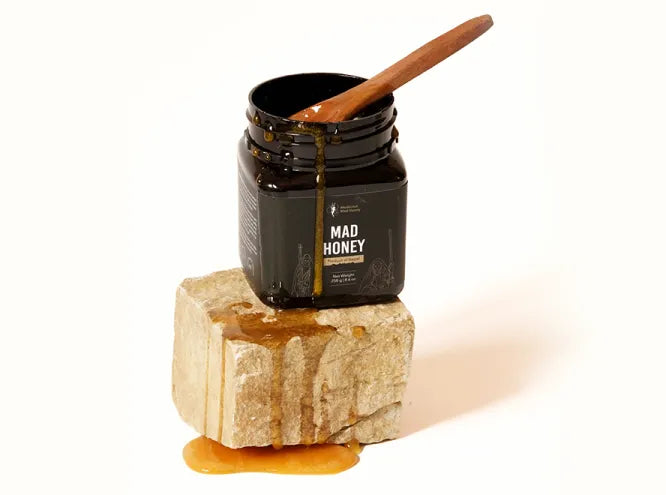
Mad Honey-High Potent|Try Pack
$120.00 Shop Now

Turkish Mad Honey (Deli Bal)

Turkish mad honey has its own traditions and characteristics:

  • Regional Differences: Turkish deli bal often has different flavor profiles and grayanotoxin concentrations compared to Nepalese varieties due to different rhododendron species and terroir.
  • Cultural Context: In Turkey, mad honey has been used traditionally for various medicinal purposes and is more mainstream than in many other countries.
  • Availability: Turkish mad honey may be easier to source within Europe due to proximity, but finding authentic products still requires diligence.
  • Quality Variations: Like Nepalese mad honey, Turkish varieties range widely in quality and authenticity.

Physical Stores and Local Sources

  • Specialty Health Stores: Some natural health stores, particularly in areas with significant Nepalese or Turkish communities, occasionally stock real mad honey. The advantage is the ability to inspect products directly.
  • International Markets: Stores specializing in Himalayan, Turkish, or international goods may carry mad honey. The same verification principles apply.
  • Farmers Markets: Occasionally, imported mad honey appears at specialty farmers markets, though this is relatively rare.
  • Direct from Travelers: Some people obtain real mad honey from friends or family who have traveled to Nepal or Turkey. While this can provide authentic products, it bypasses commercial quality controls and testing.

Red Flags When Searching for Where to Get Real Mad Honey

Be cautious of:

  • Suppliers making exaggerated health claims or promising cures for specific conditions
  • Prices significantly below market rates
  • Inability or unwillingness to provide origin information
  • No customer reviews or suspiciously perfect reviews
  • Pressure tactics or limited-time offers creating urgency
  • Vendors selling multiple varieties of mad honey without explaining differences
  • Claims about "secret sources" or "exclusive access"
  • Packaging that looks amateurish or lacks basic information

Building Relationships with Suppliers

Once you find a reliable source for real mad honey:

  • Consistent Purchasing: Developing a relationship with a trusted supplier can lead to better service, advance notice of new harvests, and occasionally preferential pricing.
  • Provide Feedback: Share your experience with the products. Reputable suppliers value customer feedback to improve their offerings.
  • Ask Questions: Don't hesitate to inquire about specific batches, variations between harvests, or any concerns you have.
  • Spread the Word: If you find an excellent supplier, sharing that information helps support ethical businesses and benefits the honey hunting communities they work with.

Real Mad Honey Reviews: What Customers Actually Experience

Understanding what others experience with real mad honey provides context for what you might expect and helps distinguish authentic products from fakes.

Common Positive Experiences from Real Mad Honey Reviews

  • Relaxation and Stress Relief: Many reviewers describe a sense of deep relaxation and stress relief similar to meditation or mild natural sedatives. Users often report feeling their shoulders drop, breathing deepen, and mental chatter quiet.
  • Mild Euphoria: A common theme in real mad honey reviews is a gentle mood elevation, described as "a warm glow," "peaceful happiness," or "contentment." This differs from intense euphoria—it's typically subtle and pleasant.
  • Enhanced Sensory Perception: Some users report slightly heightened senses, particularly enhanced color perception, sounds seeming richer, or tastes more vivid. These effects are usually mild.
  • Physical Warmth: A sensation of gentle warmth spreading through the body, particularly in the chest and limbs, appears frequently in reviews of authentic mad honey.
  • Improved Sleep: Though not universal, many people report improved sleep quality when taking small amounts of real mad honey in the evening.
  • Unique Taste Experience: Even those seeking effects often mention appreciating the complex, unusual flavor profile of real mad honey as something special compared to regular honey.

Negative or Cautionary Experiences

Authentic reviews also include less positive experiences that provide useful warnings:

  • Overconsumption Effects: Reviews describing nausea, excessive dizziness, vomiting, or severe disorientation typically involve consuming too much too quickly. These serve as reminders about respecting proper dosage.
  • Individual Variability: Some people report minimal effects even at recommended doses, while others are highly sensitive. This individual variation is characteristic of natural products.
  • Taste Preferences: Not everyone enjoys the bitter aftertaste of real mad honey. Some reviews mention finding it unpleasant despite appreciating the effects.
  • Delayed Onset Confusion: New users sometimes consume more because they don't feel immediate effects, then experience stronger-than-intended results when the delayed onset occurs.
  • Batch Variations: Reviews sometimes note differences between batches from the same supplier, reflecting the natural variability in wild-harvested products.

Analyzing Reviews for Authenticity Indicators

When reading real mad honey reviews, look for these elements suggesting genuine experiences with authentic product:

  • Specific Details: Authentic reviews typically include specifics about dose, timing, duration of effects, and detailed descriptions rather than vague generalities.
  • Mention of Taste: Real experiences usually reference the distinctive bitter or herbaceous aftertaste characteristic of genuine mad honey.
  • Reasonable Effect Descriptions: Reviews describing effects consistent with grayanotoxin properties (cardiovascular effects, coordination changes, mild psychoactive experiences) are more credible than those claiming miraculous health transformations.
  • Learning Curves: Many authentic reviews describe trying different doses and learning their optimal amount, suggesting real experimentation with the product.
  • Balanced Perspectives: The most credible reviews acknowledge both positives and negatives, noting individual variability and the importance of proper use.

Review Platforms to Consult

For the most comprehensive understanding, check reviews across multiple platforms:

Reddit Communities: Subreddits focused on entheogens, natural remedies, or specific interest in mad honey often have detailed experience reports and discussions about suppliers.

Independent Review Sites: Google Reviews, Trustpilot, and similar platforms provide feedback less subject to seller manipulation than reviews on company websites.

YouTube: Some users post video reviews of their mad honey experiences, providing visual documentation and detailed narratives.

Specialty Forums: Forums dedicated to ethnobotany, psychedelics, or natural wellness sometimes have dedicated threads about mad honey experiences and supplier recommendations.

Social Media: Instagram, Facebook groups, and Twitter discussions can provide real-time feedback and community perspectives on suppliers and products.

What Real Mad Honey Reviews Reveal About Dosage

Analyzing customer experiences reveals important dosage patterns:

  • First-Time Users: Most reviewers recommend starting with 1/2 to 1 teaspoon and waiting 60-90 minutes before considering more. This conservative approach prevents overwhelming experiences.
  • Experienced Users: Those familiar with real mad honey often settle on personal doses ranging from 1 teaspoon to 1 tablespoon, depending on desired effects and individual sensitivity.
  • Body Weight Correlation: Some reviewers note that larger individuals may require slightly more to achieve the same effects, though this isn't a strict rule.
  • Tolerance Development: Long-term reviewers occasionally mention developing tolerance with daily use, requiring breaks to restore sensitivity.

Safety Guidelines and Proper Dosage for Real Mad Honey

While real mad honey has been consumed for centuries, understanding safety guidelines is essential for a positive experience.

Understanding Grayanotoxin Effects

Grayanotoxins affect the body by interfering with sodium channel function in nerve and muscle cells. This mechanism produces both the desired effects and potential adverse reactions:

  • Cardiovascular Effects: Grayanotoxins can slow heart rate (bradycardia) and reduce blood pressure (hypotension). In excessive amounts, this can become dangerous.
  • Nervous System Effects: The compounds affect neural signaling, producing the relaxation, altered perception, and coordination changes people experience.
  • Gastrointestinal Effects: Higher doses may cause nausea, excessive salivation, or vomiting as the body responds to grayanotoxin intake.

Recommended Starting Dosage

For first-time consumption of real mad honey:

  • Ultra-Conservative Approach: Begin with 1/4 to 1/2 teaspoon (approximately 2-5 grams) and wait a full 90 minutes to assess effects before considering more.
  • Standard Starting Dose: 1 teaspoon (approximately 7-10 grams) is a common recommendation for those wanting a noticeable experience while minimizing risk.
  • Important Timing: Consume real mad honey on an empty or light stomach for more predictable absorption and effects. Avoid taking it immediately after large meals.
  • Set and Setting: Choose a comfortable, safe environment where you can relax for 3-4 hours without responsibilities or obligations.

Dose Escalation and Individual Factors

  • Body Weight: While not a perfect predictor, larger individuals may require slightly higher doses than smaller people.
  • Tolerance: Regular consumption can build tolerance, requiring larger amounts for the same effects. Taking breaks (at least several days between doses) helps maintain sensitivity.
  • Medications: Certain medications, particularly those affecting heart rate or blood pressure, may interact with grayanotoxins. See the contraindications section below.
  • Individual Sensitivity: Genetic factors and individual physiology create significant variability in how people respond to grayanotoxins.

Warning Signs and When to Stop

Discontinue use and seek medical attention if you experience:

  • Severe dizziness or vertigo
  • Chest pain or irregular heartbeat
  • Difficulty breathing
  • Persistent vomiting
  • Extreme weakness or inability to stand
  • Loss of consciousness
  • Severe drops in blood pressure
  • Blurred or double vision that doesn't resolve

Medical Contraindications

Real mad honey should not be consumed by individuals with:

  • Cardiovascular Conditions: Heart disease, arrhythmias, bradycardia, hypotension, or any heart rhythm abnormalities. Grayanotoxins further slow heart rate and reduce blood pressure.
  • Pregnancy and Breastfeeding: No safety data exists for mad honey during pregnancy or lactation. The potential risks to developing fetuses or nursing infants are unknown.
  • Medication Interactions: Those taking beta-blockers, calcium channel blockers, digoxin, other heart medications, or blood pressure medications should avoid mad honey due to additive effects.
  • Children: Real mad honey is inappropriate for children due to their smaller body mass, developing systems, and higher vulnerability to grayanotoxin effects.
  • Elderly Individuals: Older adults may be more sensitive to cardiovascular effects and should exercise extreme caution or avoid consumption entirely.

Storage for Safety and Quality

Proper storage maintains both the quality and safety of real mad honey:

  • Temperature: Store at room temperature (65-75°F / 18-24°C) or slightly cooler. Avoid freezing or exposure to high heat.
  • Light Protection: Keep in a dark place or opaque container, as light exposure can degrade some compounds over time.
  • Moisture Control: Ensure the container is tightly sealed to prevent moisture absorption, which can lead to fermentation.
  • Shelf Life: Properly stored real mad honey can remain good for 1-2 years, though grayanotoxin potency may gradually decrease over time.

Harm Reduction Best Practices

  • Never Drive or Operate Machinery: The coordination and perception effects make driving or operating equipment dangerous for at least 4-6 hours after consumption.
  • Have a Sober Friend: Especially for first-time users or when trying higher doses, having someone sober present adds a safety layer.
  • Start Low, Go Slow: This fundamental harm reduction principle cannot be overstated with real mad honey.
  • Don't Mix with Other Substances: Avoid combining mad honey with alcohol, sedatives, or other psychoactive substances, as interactions are unpredictable.
  • Keep a Journal: Recording doses, effects, and timing helps identify your optimal amount and creates useful reference information.
  • Respect the Product: Real mad honey is not just an interesting novelty—it's a bioactive substance that demands respect and responsible use.

What to Do in Case of Overconsumption

If someone consumes too much real mad honey:

Mild Symptoms (excessive dizziness, nausea): Lie down in a comfortable position, stay hydrated with small sips of water, and wait it out. Effects typically peak within 2-3 hours and gradually subside.

Moderate Symptoms (vomiting, significant blood pressure drop, pronounced weakness): Monitor closely and be prepared to seek medical help if symptoms worsen. Having someone check vital signs periodically is prudent.

Severe Symptoms (chest pain, irregular heartbeat, loss of consciousness, difficulty breathing): Call emergency services immediately. Inform medical professionals about mad honey consumption and grayanotoxin exposure.

Hospital Treatment: Medical treatment for grayanotoxin poisoning typically involves supportive care, IV fluids, and sometimes atropine for severe bradycardia. Most cases resolve within 24 hours with appropriate treatment.

Legal Considerations

  • Legal Status: In most countries, mad honey is legal to purchase, possess, and consume as it's a natural honey product. However, some jurisdictions may have restrictions or special import requirements.
  • Regulatory Status: Mad honey is not regulated as a drug or controlled substance in most places, though some countries have specific food import requirements.
  • International Travel: Carrying mad honey across borders may raise questions. Check destination country regulations and declare honey products at customs.
  • Sales Regulations: Some jurisdictions restrict or regulate health claims that can be made about mad honey, though the product itself remains legal.

Frequently Asked Questions About Real Mad Honey

Is mad honey legal?
Yes, real mad honey is legal in most countries as a natural food product. It's not classified as a controlled substance. However, some countries have specific import regulations for honey products, and sellers must comply with food safety standards. Always check your local regulations regarding honey imports if ordering internationally.

How much real mad honey should I take?
For first-time users, start with 1/2 to 1 teaspoon (approximately 5-10 grams) on an empty or light stomach. Wait 60-90 minutes to assess effects before considering consuming more. Experienced users typically consume 1-2 tablespoons for noticeable effects, but individual tolerance varies significantly. Never exceed 2 tablespoons in a single session, and avoid daily consumption to prevent tolerance buildup.

What does real mad honey taste like?
Real mad honey tastes initially sweet like regular honey but has distinctive herbal or earthy undertones. The most characteristic feature is a subtle to moderate bitter or slightly tannic aftertaste that lingers after swallowing. This bitterness comes from grayanotoxins and rhododendron compounds. The flavor profile is more complex than regular honey, sometimes described as having medicinal or botanical notes. If mad honey tastes only sweet without any bitterness, it's likely not authentic.

Where can I buy authentic mad honey?
Authentic mad honey can be purchased from specialized online retailers who source directly from honey hunting communities in Nepal or Turkey. Look for suppliers who provide laboratory testing results showing grayanotoxin content, clearly identify their honey's geographic origin, and have positive customer reviews across multiple platforms. Some specialty health stores and international markets occasionally stock real mad honey. Always verify authenticity using the methods described in this guide before purchasing.

How long do the effects of real mad honey last?
Effects from real mad honey typically begin 30-90 minutes after consumption and peak around 2-3 hours. Total duration is usually 3-5 hours before effects gradually fade. The delayed onset often surprises first-time users—patience is essential. Effects last longer than the psychoactive period; cardiovascular changes may persist for up to 24 hours. Individual metabolism, dose, and whether you consumed it with food all influence timing.

Can I take real mad honey daily?
While some traditional users consume small amounts regularly, most experts recommend against daily consumption. Frequent use can build tolerance, requiring larger amounts for the same effects. Regular consumption may also increase risks of adverse cardiovascular effects. If you want to use mad honey regularly, consider limiting consumption to 2-3 times per week with breaks between doses. Always consult healthcare providers before using any bioactive substance regularly, especially if you have underlying health conditions.

Is real mad honey safe?
Real mad honey is generally safe when consumed responsibly in appropriate doses by healthy adults. However, it contains pharmacologically active compounds that affect heart rate and blood pressure. People with cardiovascular conditions, those taking heart medications, pregnant or breastfeeding women, children, and elderly individuals should avoid consumption. Excessive doses can cause nausea, vomiting, severe dizziness, dangerous drops in blood pressure, and irregular heartbeat. When used responsibly with proper dosing, real mad honey has been consumed safely for centuries.

What's the difference between Nepalese and Turkish mad honey?
Both authentic varieties contain grayanotoxins from rhododendron nectar, but there are differences. Nepalese mad honey comes from the giant Himalayan honeybee (Apis laboriosa) foraging on Himalayan rhododendron species at very high altitudes. It's typically harvested through dramatic cliff-side collection. Turkish deli bal comes from different bee species foraging on Rhododendron ponticum in the Kaçkar Mountains. Flavor profiles, grayanotoxin concentrations, and specific effects can vary between the two. Neither is definitively "better"—they're different expressions of the same phenomenon.

How can I tell if my mad honey is real or fake?
Authentic mad honey should have a reddish-brown to amber color, moderate thickness, and semi-translucent appearance. The taste includes characteristic bitterness or tannic aftertaste, not just sweetness. Real mad honey produces predictable effects starting 30-90 minutes after consumption. The most reliable verification is laboratory testing showing grayanotoxin content (typically 0.1-2.5 mg/g). Purchase from reputable suppliers who provide origin information, testing documentation, and have positive independent reviews. See the detailed authentication methods section above for comprehensive verification techniques.

What are the side effects of real mad honey?
At appropriate doses, mild side effects may include light-headedness, mild tingling sensations, warmth throughout the body, slight blood pressure reduction, and relaxation. Higher doses can cause nausea, excessive salivation, vomiting, pronounced dizziness, significant blood pressure drops, slowed heart rate, blurred vision, and loss of coordination. Severe overconsumption may lead to dangerous cardiovascular effects requiring medical intervention. Most side effects resolve within 24 hours. Starting with low doses significantly reduces the likelihood of uncomfortable side effects.

Can real mad honey show up on drug tests?
No, grayanotoxins are not included in standard drug screening panels. Mad honey consumption would not cause a positive result on typical employment, athletic, or legal drug tests that screen for controlled substances like THC, cocaine, opiates, amphetamines, or benzodiazepines. However, specialized toxicology screenings could potentially detect grayanotoxins if specifically looking for them, though this is extremely rare and would only occur in medical contexts of suspected poisoning.

Does real mad honey expire?
Like regular honey, properly stored real mad honey has an extremely long shelf life potentially years or even decades without spoiling. However, the grayanotoxin content may gradually decrease over time, potentially reducing potency. For optimal effects, consume real mad honey within 1-2 years of harvest. Store it in a cool, dark place in a tightly sealed container. Crystallization is normal and doesn't indicate spoilage; gently warming the container in warm water will reliquefy crystallized honey.

Can I cook or bake with real mad honey?
While you can use real mad honey in cooking or baking, heat may degrade grayanotoxins and alter the unique properties that make it special. Temperatures above 140°F (60°C) can break down some bioactive compounds. If you're seeking the specific effects of mad honey, it's best consumed raw. For culinary use where you want the distinctive flavor but aren't concerned about effects, cooking is fine. However, given its price and rarity, using expensive mad honey in cooked dishes where regular honey would work equally well seems wasteful.

Conclusion:

Real mad honey represents a fascinating intersection of natural pharmacology, traditional knowledge, and cultural heritage. For those interested in experiencing this unique product, the key to a positive experience lies in obtaining authentic honey from reputable sources and using it responsibly.

The authentication methods outlined in this guide from examining physical characteristics to verifying laboratory testing to researching suppliers thoroughly provide a comprehensive framework for identifying genuine mad honey. Remember that multiple verification methods working together provide the highest confidence in authenticity.

When searching for where to buy real mad honey, prioritize transparency, testing documentation, and suppliers with direct relationships to harvesting communities. The premium prices for authentic mad honey support the skilled honey hunters who risk their lives to collect this rare product while preserving traditional practices and supporting local economies.

Approach real mad honey with respect for both its potency and its cultural significance. Start with conservative doses, understand your individual response, and never consume it in situations where impairment could be dangerous. With proper knowledge and responsible use, real mad honey can provide a unique experience that connects you to ancient traditions and remarkable natural chemistry.

The market for mad honey will continue attracting both authentic suppliers and counterfeiters. By educating yourself using resources like this guide and sharing knowledge with others interested in mad honey, you help create informed consumers who reward legitimate suppliers and avoid supporting fraud.

Whether you're drawn to real mad honey for its unique effects, cultural interest, or curiosity about ethnobotany, taking time to verify authenticity ensures you experience the genuine article while supporting sustainable harvesting and the communities who have preserved this tradition for generations.

References

Enjoyed The Blog?

Follow to never miss an update

Profile Picture for Rashmi Kandel

Rashmi Kandel

Founder and Author at Medicinal Mad Honey | Himalayan Giant Bee & wild honey Researcher

Leave a comment

Please note, comments need to be approved before they are published.

Other Blogs

ways-to-verify-real-mad-honey

15 Proven Ways to Verify Real Mad Honey: Guide to authenticity & genuineness

Date: Jan 28, 2026

Discover how to verify authentic mad honey with these 10 essential tips. Learn how to identify genuine honey from Nepal, check its effects and avoid counterfeit products. Ensure you're getting...

Learn More

magic-honey-of-nepal

Magic Honey of Nepal : Experience the Magic with Mad Honey

Date: Jan 19, 2026

Many of us have queries: "What's magic honey?" Magic honey may be commercial dietary supplements of honey mixed with herbs such as ginseng as an energy source and vitality, or...

Learn More

best-mad-honey-to-buy-online

6 Best Raw Honey Products for 2026: Pure, Unfiltered & Worth Buying

Date: Jan 05, 2026

In 2026, the honey market has become superior and more attentive to the quality, sustainability, and authentic sourcing of raw honey. Raw honey is only hope that with the onslaught...

Learn More