

Yes, pure honey is dairy-free. Honey is made by bees by collecting flower nectar and is not, in any of the formation steps, related to milk, lactose, casein, whey or other dairy ingredients. One important distinction, though: dairy-free does not automatically mean vegan- honey is made by bees, so most vegans choose not to consume it.
Quick Answer
|
Question |
Answer |
|---|---|
|
Is pure honey dairy free? |
Yes |
|
Does honey contain lactose? |
No |
|
Does honey contain milk proteins? |
No |
|
Is honey vegan? |
Generally no |
|
Is mad honey dairy free? |
Yes, when honey is the only ingredient |
What Makes a Food Dairy?
A food is dairy when it is contains any hint of milk of mammalian animals, most commonly cows, but also goats, sheep and buffalo. If a food contains milk or anything derived from milk, it counts as dairy.
Common dairy ingredients to recognise on labels include:
-
Milk and milk powder
-
Butter and cream
-
Whey, a milk protein
-
Casein and sodium caseinate- milk proteins
-
Lactose, the natural sugar in milk
Honey doesn't come from any of these sources- which brings us to the next question.
Why Is Honey Dairy Free?
Honey begins as flower nectar. Bees while foraging collect nectar, use their enzymes to convert it and then deposit it in the honeycomb. Once the water content is reduced, a thick-textured, stable food is made that we know as honey. If we look into the definition provided by The Codex Alimentarius- the international food standard- honey is a natural sweet substance bees produce from the nectar of plants or related plant secretions.
At no point in that process does milk enter the picture. Honey is not made from milk, does not contain milk, and does not naturally contain lactose or milk proteins. That makes every pure honey in the world dairy-free by definition.
Is Honey Lactose Free?
Yes. Lactose is milk sugar found in milk products. The sugars in pure honey are mainly fructose and glucose- there is no lactose in honey at all.
Can People With Lactose Intolerance Eat Honey?
Lactose intolerance means the body's lactose-digesting capacity is weak and this usually happens when the body produces too little of the enzyme lactase. As the composition of pure honey has no lactose, there is almost zero chance of lactose-specific problem, and people with lactose intolerance can generally enjoy it as a sweetener.
One caution: if you experience digestive symptoms after eating honey, the cause is likely something other than lactose- for example a sensitivity to honey itself or to another ingredient in a honey-containing product. Those symptoms are not related to lactose intolerance.
Can People With a Milk Allergy Eat Honey?
A milk allergy is different from lactose intolerance. Lactose intolerance is a digestive issue with milk sugar; a milk allergy is an immune reaction to milk proteins such as casein and whey. The two are often confused, but they involve different parts of the body and different ingredients.
|
Condition |
What causes it |
Honey status |
|---|---|---|
|
Lactose intolerance |
Difficulty digesting lactose, the sugar in milk |
Pure honey contains no lactose |
|
Milk allergy |
Immune reaction to milk proteins such as casein or whey |
Pure honey contains no milk proteins |
|
Bee product allergy |
Reaction to honey, pollen or other bee-related substances |
A separate condition, unrelated to dairy |
Pure honey does not naturally contain milk proteins. However, people with a severe milk allergy should still check labels on flavored honey, honey spreads and processed foods made with honey- watching for whey, casein, sodium caseinate and milk powder, and for "may contain milk" advisory statements on products made on shared equipment.
When Might a Honey Product Contain Dairy?
Here's the part most articles skip: "honey" in a product name does not mean the whole product is dairy free. The honey inside it is- but the recipe around it may not be. Products worth checking carefully include:
-
Honey butter- contains butter by definition
-
Honey yogurt- a dairy product sweetened with honey
-
Honey caramel and honey chocolate- often made with cream or milk solids
-
Honey baked goods- cakes, breads and pastries frequently contain butter or milk
-
Granola and cereal bars- some contain milk powder
-
Honey mustard- certain recipes use cream or buttermilk
-
Flavored honey spreads- added flavourings can introduce dairy
-
Anything made on shared equipment- look for "may contain milk" statements
Label rule: the only way to know a honey-containing product is dairy free is the full ingredient list and allergen statement- not the product name.
Is Raw Honey Dairy Free?
Yes, pure raw honey is dairy free. "Raw" describes how the honey is handled after harvest- unheated and unfiltered- not what it contains. Raw, filtered and pasteurized honey are all equally dairy-free when honey is the only ingredient.
Is Creamed Honey Dairy Free?
The name is misleading. "Creamed" (or whipped) honey describes a texture, not an ingredient: the honey's crystallization is controlled to produce a smooth, spreadable consistency. No dairy cream is required to make it.
That said, recipes and manufacturers differ- a small number of commercial spreads do blend honey with actual dairy. As always, the ingredient list settles it.
Is Mad Honey Dairy Free?
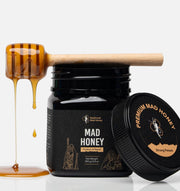
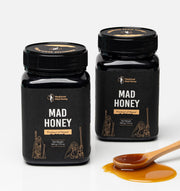
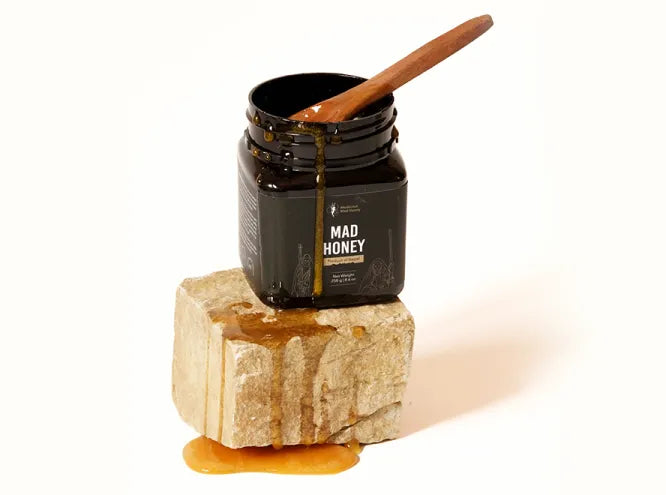
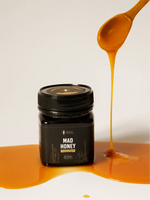
Yes. Pure mad honey is dairy-free, just like any other pure honey. It is produced by Himalayan giant bees from flower nectar, not from milk. Its naturally occurring grayanotoxin content is what sets it apart from ordinary honey and affects how it should be consumed, but it has no bearing on its dairy classification. You can read the full story in our complete mad honey guide.
Is Honey Dairy Free but Not Vegan?
Correct- and this is where the two labels part ways. Honey contains no dairy, but most vegan organizations, including The Vegan Society, do not classify it as vegan because it is produced by bees. Dairy-free describes what a food contains; vegan describes how it is produced. The terms are not interchangeable. For the full breakdown, see our guide: Is honey vegan?
Conclusion
Pure honey is dairy free, lactose free and free from milk proteins. However, honey is not generally considered vegan, and processed products containing honey may include dairy ingredients. Check the ingredient and allergen labels when purchasing flavored honey or foods made with honey- that's the only place the answer is guaranteed.
Frequently Asked Questions
Q: Is honey dairy free?
A: Yes. Pure honey is made by bees from flower nectar and contains no milk, lactose, casein, whey or any other dairy ingredient. It is naturally dairy free when honey is the only ingredient on the label.
Q: Does honey contain lactose?
A: No. Lactose is the sugar found in milk. The sugars in honey are primarily fructose and glucose, so pure honey is completely lactose free and does not trigger lactose-intolerance symptoms.
Q: Does honey contain milk protein?
A: No. Pure honey contains no casein, whey or other milk proteins. People with a severe milk allergy should still check labels on flavored honey and processed honey products, which can include dairy-derived ingredients.
Q: Is raw honey dairy free?
A: Yes. Raw simply means the honey hasn't been heated or filtered after harvest. Raw, filtered and pasteurized honey are all dairy free when honey is the sole ingredient.
Q: Is creamed honey dairy free?
A: Usually yes. "Creamed" refers to a controlled crystallization process that makes honey smooth and spreadable- not to added cream. Check the ingredient list, as a few commercial spreads do blend honey with dairy.
Q: Is honey vegan?
A: Generally no. Although honey is dairy-free, it is produced by bees, and most vegan organizations including The Vegan Society exclude it from vegan diets. Dairy-free and vegan are different classifications.
Q: Is mad honey dairy free?
A: Yes. Pure mad honey is produced by Himalayan bees from rhododendron nectar and contains no dairy ingredients. Its grayanotoxin content makes it different from regular honey, but does not change its dairy-free status.
Q: Can honey-containing foods have dairy?
A: Yes, often. Honey butter, honey yogurt, honey baked goods, granola and some honey mustards contain dairy ingredients. The word "honey" in a product name never guarantees the product is dairy free- always read the full label.