Skip to product information
1 of 12

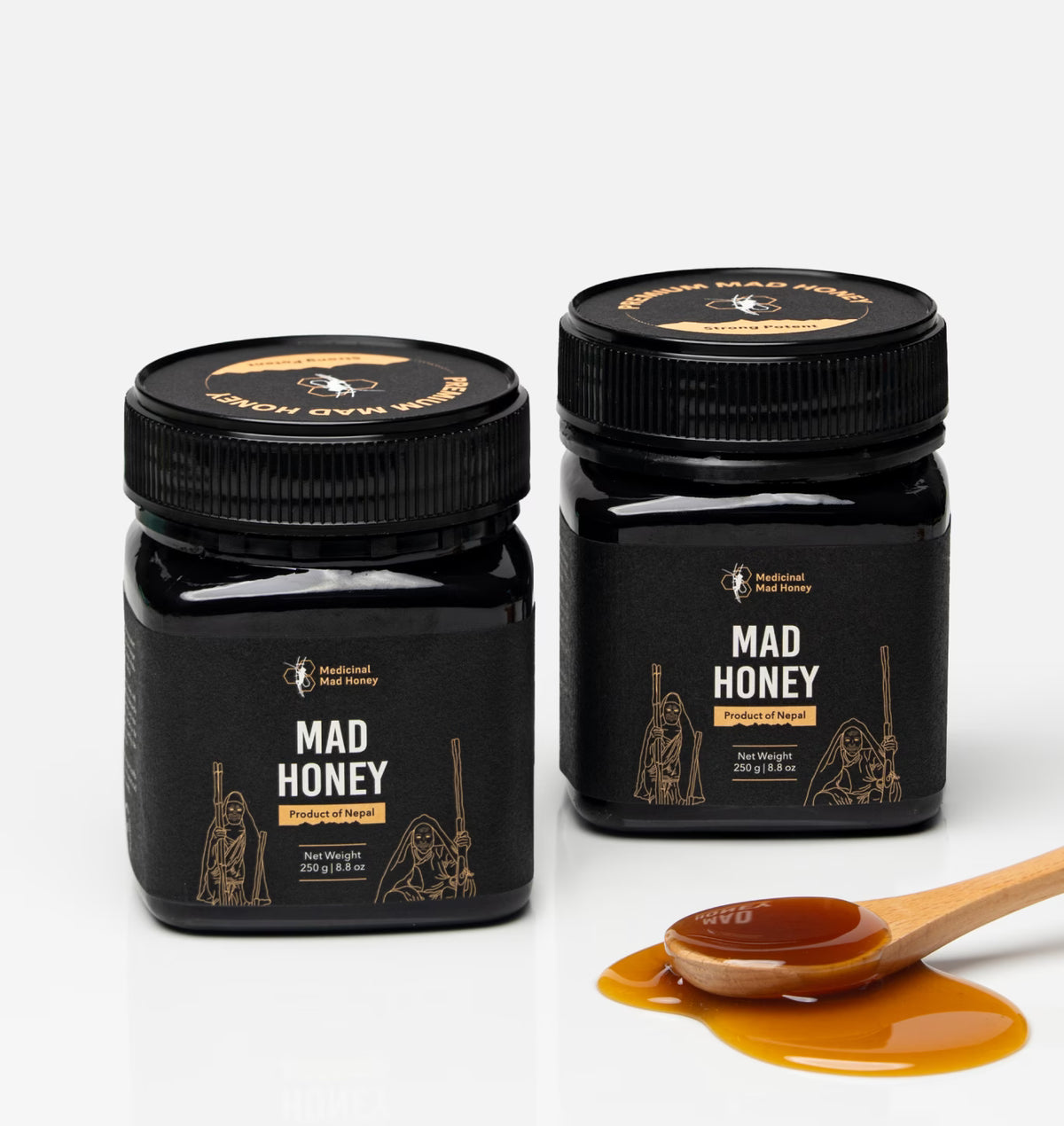
Mad Honey - High Potent | Try Pack

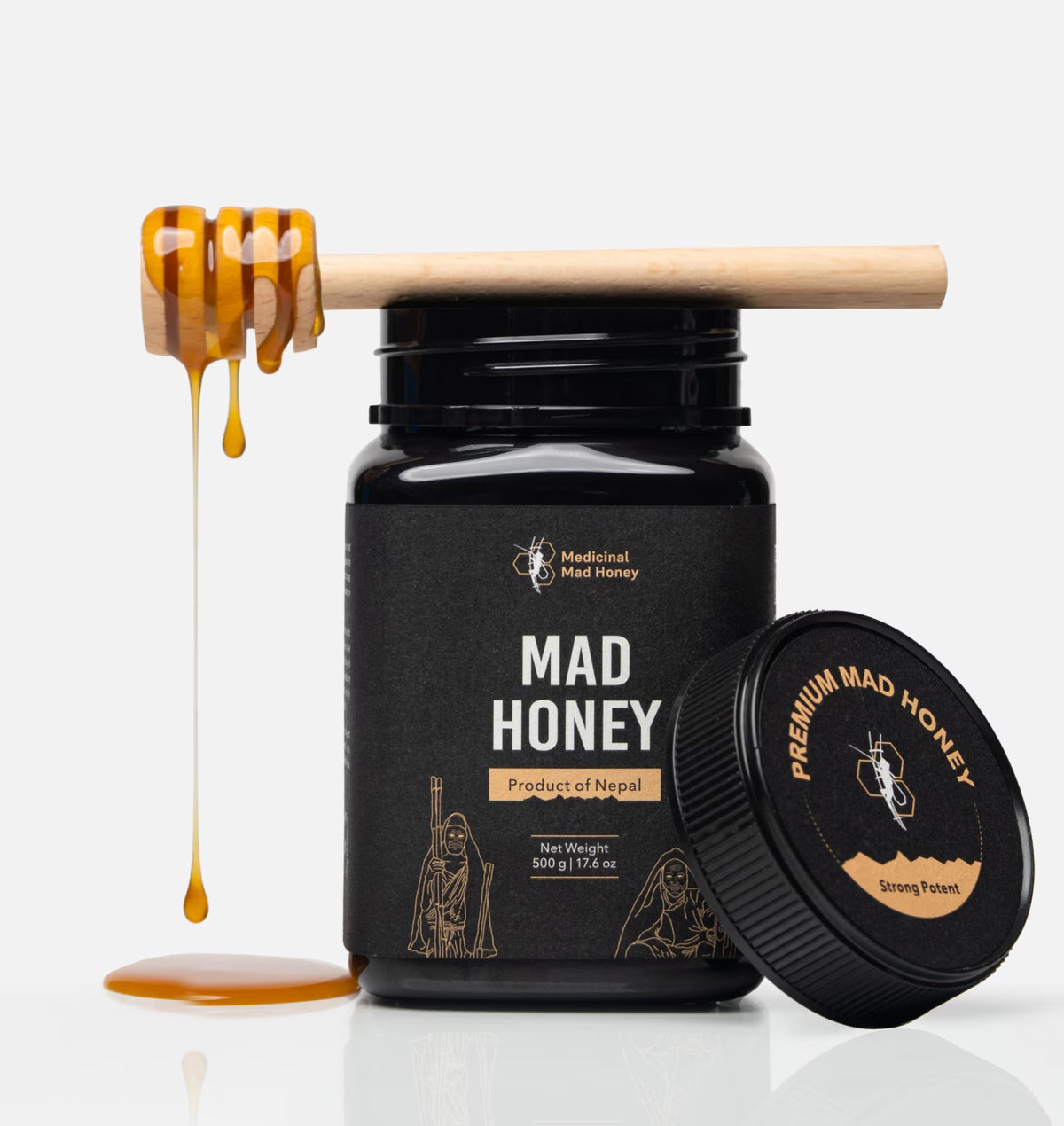
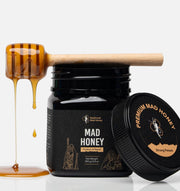
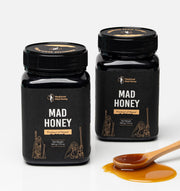
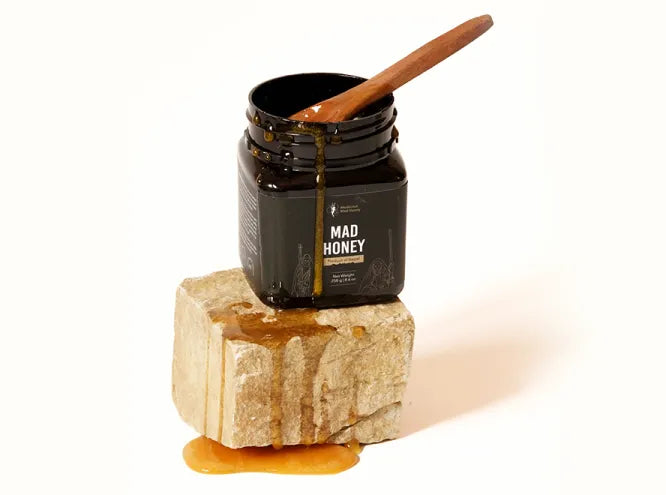
Mad Honey

Net Weight: 250g | 8.8oz

122 total reviews

Direct from the Himalayan cliffs of Nepal, our mad honey is a rare wild honey made by the Himalayan giant honey bee, Apis laboriosa. These bees forage on seasonal rhododendron and wild alpine flowers, creating a bold, earthy honey with a naturally complex botanical profile.

Each batch is harvested in limited quantities from cliffside hives using traditional rope-and-ladder methods practiced by Nepali honey hunters for generations. All the jars are raw, small batch and minimally processed, retaining the wildness of the Himalayan cliff honey.


Why Medicinal Mad Honey Is Preferred?

1. Harvested from wild Himalayan cliffs in Nepal
2. Made by Himalayan giant honey bees, Apis laboriosa
3. Comes from untouched, remote high altitudes
4. Nectar from exclusive alpine and subalpine flowers including rhododendrons
5. Seasonal harvest, small batches
6. Hundreds of satisfied customers in the US
7. Directly delivered to your door


Select Purchase Plan

Select Purchase Plan

Select Purchase Plan

Select Purchase Plan

Natural Composition

Himalayan mad honey is a natural product made from the nectar of wildflowers like rhododendron, harvested from the remote forests in the mountain regions of Nepal. As it comes from a unique and rich botanical source, it has deep flavors. Mostly earthy, floral, and slightly bitter, flavor intensity is batch-specific.

Its composition resembles that of any raw honey. Phenolics, flavonoids, enzymes, amino acids, vitamins and minerals are common in this raw honey. As floral availability in the wild is not consistent across regions and seasons, its composition can be expected to be different in each batch.

Naturally occurring compounds may include:

  • Amino acids: Arginine, histidine, lysine, tryptophan, and others
  • Vitamins: Vitamin C, B2, B5, and B6
  • Minerals: Magnesium, phosphorus, calcium, and iron
  • Plant compounds: Phenolics and flavonoids

What To Expect from Himalayan Mad Honey

With medicinal mad honey, you are getting a unique origin honey embodying the essence of Himalayan wildflowers and herbs. Each jar reflects the environment it comes from: remote cliffs, seasonal rhododendron blooms, wild alpine flowers, and the traditional knowledge of Nepali honey hunters.

The honey has long been used by Himalayan natives, that began since they discovered the honey as a potential food source. Because it is a wild honey, taste, flavor and aroma can vary depending on the respective batch. We offer it as a premium specialty honey and do not sell it for any effects.

Taste, Color & Texture

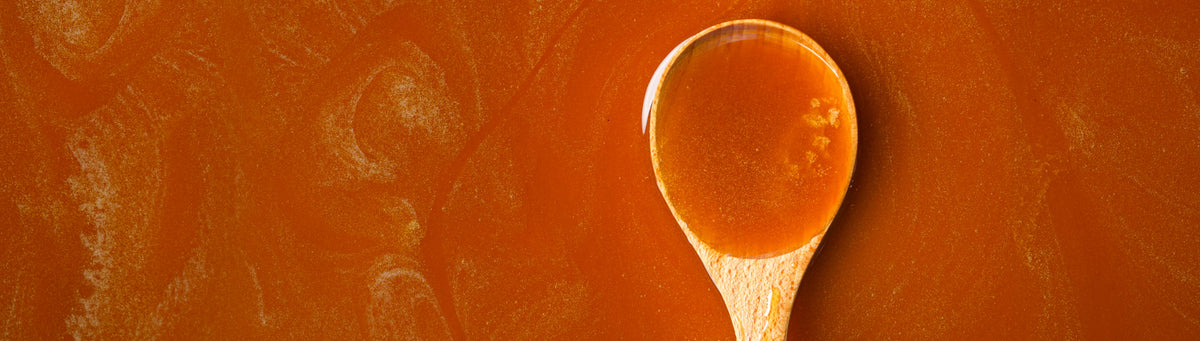
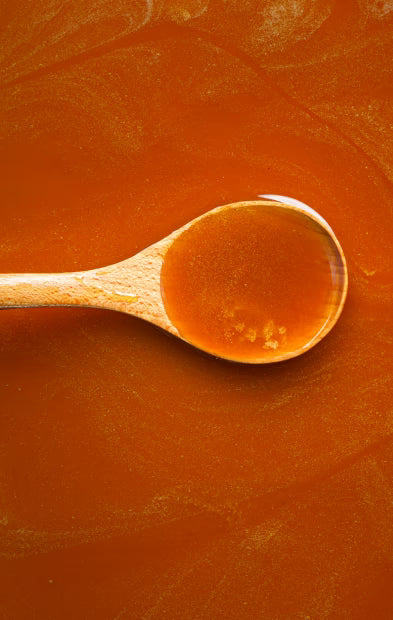
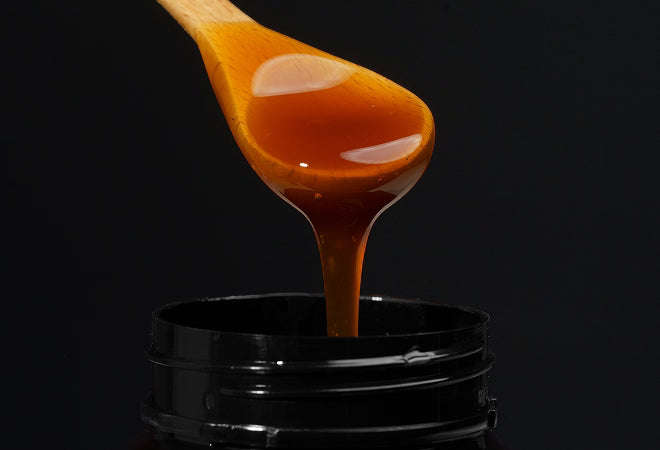
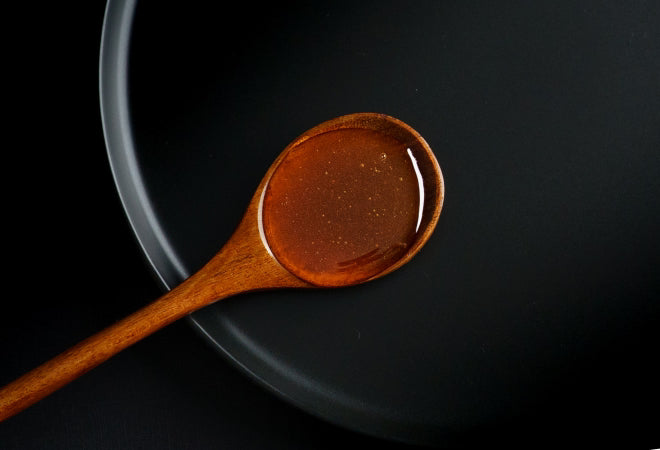
Medicinal mad honey color varies from deep amber to reddish-brown, totally dependent on the floral source (from a huge number in mountain forests) your jar is made of.

The texture of the honey is thick like any other raw honey. As you open the lid, you will get to enjoy earthy, floral, slightly bitter and warming aromas.

At Medicinal Mad Honey, we bring this product to you as a premium, rare and exclusive honey type. It is like any other luxury product and we do not sell it for any effects.

Flavor and Fragrance

Himalayan mad honey is a rich, amber colored honey with some reddish brown hue. It has an earthy, floral, slightly bitter, and naturally sweet taste, and a warming finish due to its wild rhododendron origin.

The scent is rich and herbal, featuring mountain flowers, raw honeycomb, and forest herbs. There may be some variations in each batch due to the wild harvest and seasonal production of the honey.

View full details

100% Authentic & Traceable

Naturally Occurring Grayanotoxin

Wild
Cliff Harvested

Limited Seasonal Honey

Traditional Himalayan Use

How to Use Mad Honey Responsibly?

The Himalayan honey is versatile and can be enjoyed any time of day, whether you start your morning with a spoonful or use it to unwind later. We recommend our users to follow the standard serving size and for all the new users, start with a small dose and increase gradually until reaching the recommended serving size.

Raw Consumption
A simple way to enjoy mad honey is to take a small amount directly. Beginners should start with about one teaspoon and avoid increasing quickly. Mad honey should always be used in moderation.

Tea and Drinks
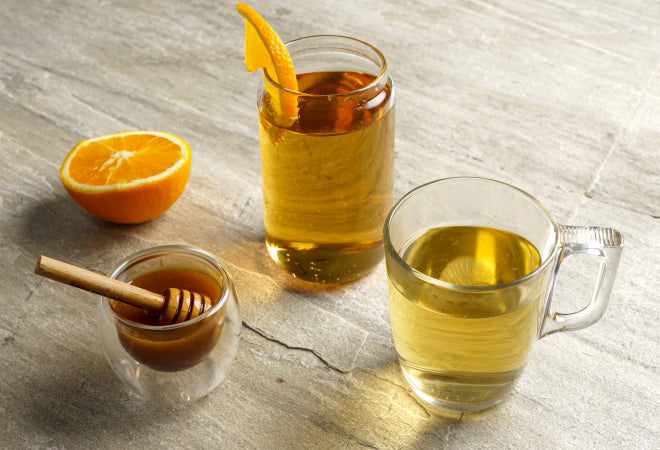
You can upgrade your mad honey experience by mixing it with your favorite non-alcoholic beverages. Try it in warm water, or tea, or blend it into a healthy smoothie for a unique twist.

Dishes and Desserts
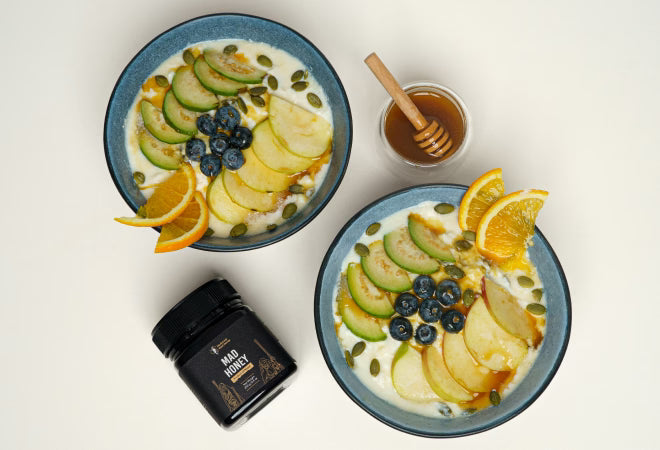
Mad honey can make a go-to natural sweetener, its use can make any dishes or desserts delightful. Remember not to expose it to heat beyond 118° F or 48° C as this may degrade heat-sensitive nutrients. Using this as a topping, drizzle, mixing it into smoothies or adding it to low-heat desserts works best.

Authentic Himalayan mad honey with natural grayanotoxin content

You've Asked We’ve Answered

What is Himalayan mad honey?

Himalayan mad honey is a natural, specialty honey from cliffside hives at high mountain altitudes.

Where does your mad honey come from?

Medicinal mad honey comes from the mountainous cliffs of Nepal.

Is mad honey the same as regular honey?

No, mad honey is not the same as regular honey. The differences mainly come down to remote origin, traditional harvesting and limited availability.

What does mad honey taste like?

Mad honey tastes sweet and has a deep and intense flavor profile.

How much mad honey should I take?

If you’re a beginner, start with a low dose of one teaspoon and once the body adapts follow the standard dose of one tablespoon, increase gradually.

How should beginners use mad honey?

Beginners should begin with a low dose such as one teaspoon and monitor the effects regularly. Consume directly or add it as a replacement for table sugar in your meals.

Who should avoid mad honey?

Mad honey is not recommended for children, pregnant or breastfeeding women. Also, people with heart problems or under medication should take suggestions from their General Practitioner before beginning the consumption.

Why is mad honey rare?

Mad honey is rare because it is harvested seasonally. The maker bees themselves are limited to high altitudes, Himalayan flowers bloom only two times a year and the hives are built only in limited mountain cliffs. The extraction from towering cliffs is also difficult- everything combined makes mad honey rare.

What's So Special About Mad Honey?

What Is Unique About Mad Honey?

What Is Unique About Mad Honey?

All Medicinal Mad Honey products are sourced from the remote Himalayan regions of Nepal where normal honey bees rarely survive. The honey is harvested only twice a year using the traditional cliff-hanging technique. Apis laboriosa, the world’s largest honey bee species, limited to the Himalayan Kush Region deposits mad honey in its huge hives which after collection is filtered, packed into jars and distributed. These bees collect nectar from alpine and subalpine flowers including grayanotoxin-containing rhododendron. At Medicinal Mad Honey, we pass each batch through all the required lab tests ensuring only genuine, pure and raw Mad Honey with preserved nutritional compounds reaches your door.
Authentic mad honey harvested from Himalayan cliffs in Nepal

Why should I always buy authentic Mad Honey?

Mad honey from the Himalayan cliffs is harvested only twice a year. As natural production is limited, adulterated or imitated mad honey products often enter the market just to meet the demand from the consumer market. The use of unethical ingredients like sugar, different types of honey and artificial additives results in honey with no intended benefits or effects. We recommend choosing trusted brands for the purchase that provide proper certification, authentic sourcing information and transparent testing protocols. For detailed information, check our "How to Identify Authentic Mad Honey" guide.
Raw wild honey from Nepal sourced from cliffside hives

Ethically Harvested and Sustainably Sourced

Medicinal Mad Honey is a Himalayan community-owned entity that has strong ties to the indigenous mad honey hunters. Being a community-sourced enterprise, we partner with more than 300 honey hunting communities of the Himalayas who have preserved this tradition for centuries, continuing the practice since its very beginnings. In the journey, we have direct-trade relationships with more than 2700 traditional honey hunters throughout Nepal. Our approach to trade ensures their fair payment while upholding their identity. This is how we provide the world’s most authentic Mad Honey ethically harvested with our “ Cliff to Customer” guarantee.

Shop Related Product

Mad Honey

Net Weight:250g

122 total reviews

$120.00 $140.00

Lip Balm

Net Weight:15g

122 total reviews

$12.00 $15.00

Honey Soap

Net Weight:100g

122 total reviews

$16.00 $20.00

Customer Reviews

Based on 122 reviews
69%
(84)
17%
(21)
13%
(16)
0%
(0)
1%
(1)
N
Norman Gannon
Mad honey lip balm

I was not thrilled about it

N
Norman Gannon
Good honey

Very nice product hits the spot on every occasion

M
Mohd munir Bin ishak

👍👍👍

R
Rjb
Mad honey

Love it works great

M
Mark Karpe
I’m mad about mad honey!

Definitely takes the edge off. I’m not a frequent user of anything other than alcohol. This is a great alternative. It puts me in a great spot

Related Blogs for You

best mad honey brand

6 Best Raw Honey Products for 2026: Pure, Unfiltered & Worth Buying

Date: Jun 01, 2026

In 2026, the honey market has become superior and more attentive to the quality, sustainability, and authentic sourcing of raw honey. Raw honey is only hope that with the onslaught...

Learn More

ways-to-verify-real-mad-honey

15 Proven Ways to Verify Real Mad Honey: Guide to authenticity & genuineness

Date: May 25, 2026

Discover how to verify authentic mad honey with these 10 essential tips. Learn how to identify genuine honey from Nepal, check its effects and avoid counterfeit products. Ensure you're getting...

Learn More

wild bees

Wild Bees: Distribution, Types, Behavior and Conservation

Date: May 18, 2026

Most people picture a honeybee when they think of bees. But the world's most important pollinators aren't living in managed hives , they're wild bees, and they outnumber domesticated species...

Learn More