

Although we repeatedly fill our pantry with regular honey, there are over 300 types of Honey produced around the world. Honey is a sweet, viscous, liquid food packed with floral sugars, more popular as a natural sweetener- an absolute healthy replacement for table sugar. In the course of time, science has only exposed its hidden nutrients and health benefits making its use even more appreciated by the modern wellness society.
Bees make honey; they collect nectar and process it for long-term storage in their hives. The stored food is what keeps the bees and brood alive. As humans discovered honey as a potential food source way back in prehistoric times, various harvesting techniques were developed and its use became established in daily life thereafter.
The ancient use of honey around the globe as a folk medicine and traditional healing practice has also been documented. The application of honey has now broadened into various areas of natural well-being, skin care, cosmetics and natural remedies.
The Fascinating World of Honey
Amazingly, honey is the intersection of art and science created by nature. It’s an amazing end product harvested after the bees collect nectar, make enzymatic modifications and store them in honeycombs so as to maintain supply during scarce months without nectar. The stored nectar undergoes evaporation while the glucose, sucrose and fructose lose water content to become a thick sweet liquid.
Honey is interesting because of its sweet taste and variety in terms of color, unique taste and smell. The vast array of flowers used by honeybees during nectar collection determines the defining characteristics of the honey. There are several varieties of honey such as Clover, Manuka Honey or Mad Honey and all of them have unique characteristics and content. Because of the multidisciplinary health and natural wellness, people are adding it to their morning cup of tea, drinks before sleep and food recipes.
Ancient Use of Honey
Honey has been consumed and utilized by humans since several thousand years, both for its natural sweetness and other medicinal values. There are ancient recordings of the consumption of honey dating back 8000 years ago via cave paintings found in Spain. Ancient Egyptians, Greeks and Romans prized honey not just as a food but also as a traditional medicine and therapeutic healing substance. The honey was used as ointments, balm and for the treatment of wounds and infections. Honey has evolved in modern kitchens and among holistic health seekers at the present time.
Understanding Bees’ Role in Honey Production
Bees are the master craftsmen of nature when it comes to this particular commodity. The production of honey starts when the bees leave their hives to gather nectar from various flowering plants. They acquire sweet nectar with the help of their highly developed long tongues. They store it in the honey stomach, separated from their normal stomach. Also, during nectar collection, pollen is also stored, helping in pollination. The collected pollen grains are then transferred to other plants, a crucial process for the reproduction of plants.
After obtaining enough nectar, bees return to the hive, regurgitates nectar for all bees to eat. There, they break the molecules with simple sugars formed from enzymes and reducing it leads to simpler, very primitive forms of sugar. These bees would likely digest or produce for feeding and saving appropriately. It first places the processed nectar in the hexagonal beeswax cells of the hive and fanned with wings. Thereby, water evaporation takes place. The dehydrating nectar turns into honey.
It seals off the honey with a layer of wax on top to be preserved for the colony's consumption in the future. It is a vital source of food for the bees during winter when nectar is scarce and developing broods that are often voracious. The cooperation and efficiency of the bees in honey production are a clear example of the sophisticated work of nature.
Understanding Labels Used in Honey
The labels used in honey also speak volumes about honey types and help you decide on your option to purchase. The labels most commonly used in honey and what they say about the honey types are listed below:
-
Raw honey: The “raw honey” on the labels suggests that what you’re buying is not extremely processed; it has been slightly filtered to keep off the wax particles.
-
Unfiltered honey: Unfiltered honey is similar to “raw honey”. What makes it different is that it has visible wax particles, generally absent in the raw ones.
-
Pasteurized honey: Honey processed through heat treatment methods especially to preserve quality for a long time is pasteurized honey. Not only do the processes implied change the shelf life but the heating also changes the robust flavor profile that raw honey originally has.
-
Organic honey: Honey obtained from bees foraging on flowers grown particularly on chemicals or pesticide-free environment is “organic honey”. The label ensures your honey is completely free from hazardous chemicals.
-
Infused honey: When the honey is labeled with the term “infused”, it’s combined with other natural ingredients. Hot chili, lavender and cocoa are some popular examples in which honey is mixed with certain ingredients to impart specific characteristics to the honey.
-
GMO-Free honey: The “GMO-free” term relates to none of the components of the honey being linked to genetically modified crops. This label is added prioritizing the consumers’ health- to avoid long-term side effects it may bring on health.
-
Pure honey or genuine honey: Honey with zero adulteration, the purest form consumers can have access to falls under this category. If the honey you’re purchasing contains this label, it implies that the ingredient integrity is 100% intact.
-
Single-source honey: If the honey has "single-source" in the label, it simply means the nectar is primarily from one dominant flower. Result- distinct honey type, you can choose from a wide range of options with your preferred characteristic flavor, aroma and color of that specific flower used. Examples: Acacia honey, Lavender honey, Buckwheat honey!
-
Multi-flower honey: This tag simply means the bees had collected nectar from multiple floral sources. Thus, the honey has a blended flavor profile. It is the best choice for those consumers who want to savor a burst of flavors, nutrients and floral aromas.
Diverse Types of Honey and Their Unique Characteristics
The distinct nectar available in different corners of the world creates honey types, each carrying a peculiar characteristic.
Variation in Flavor and Color of Honey: Honey types in the market don't have similar flavor, color and aroma profile. The differences are mainly due to the variety of flowers the bees forage on, geographical origin, season of harvest and the extent to which honey is processed before reaching the market.
We have prepared a list of 25 popular kinds of honey, along with their unique characteristics.
| Classification of Honey | |
|---|---|
| Basis of Classification | Honey Types |
| Floral Source | Monofloral or Multifloral Honey |
| Processing Method | Raw, Pasteurized or Creamed/Whipped Honey |

Wildflower Honey: A Symphony of Flavors
It is derived from a variety of wildflowers blooming in the wild. The honey stands out in terms of complex flavor profile with mild and floral to strong and also slightly fruity undertone in some cases. The color of wild honey can range from amber to dark brown totally dependent on flowers available in different states/regions. This choice of honey can make a versatile sweetener for tea, yogurt or baked goods.
Learn the basic difference between Wildflower Honey vs Raw Honey

Clover Honey: America's Favorite
Clover honey has a light, mild flavor with subtle floral notes. It is one of the most popular varieties in the United States and mostly comes in a pale golden color with a smooth texture. Clover honey's use is popular in sweetening beverages like coffee, tea and desserts and is also a good topping for pancakes and toast.

Manuka Honey: Medicinal Marvel
Manuka honey has a darker color and denser consistency than most varieties of honey. Manuka honey has a very earthy and somewhat bitter taste, underlining herbal notes, a characteristic that comes from the nectar being derived from the Manuka bush native to New Zealand. The indigenous users of the honey valued the honey more for its antibacterial and healing properties than just for the taste. Its use is quite common in modern skin care products and as an effective natural remedy for sore throats and digestive issues.

Acacia Honey: A Delicate Delight
A monofloral honey, acacia honey is light, almost clear, with a delicate mild sweetness. The honey is mildly sweet, has floral aroma and is perfect for sweetening tea, topping over fruits, and even in light desserts due to its mild flavor.

Buckwheat Honey: Rich and Robust
Buckwheat honey is dark, almost black in color, and strong with a typical malty flavor that has been described as earthy and rich. Its taste is bold and very unlike honey with lighter colors. This varietal honey is very popular in baking, as a sweetener for hefty foods and for its high antioxidant content. It's also known for its potential health benefits.

Orange Blossom Honey: Fruity and Floral
Orange blossom honey is sweet, with a citrus flavor and floral fragrance- in summary, it captures the essence of orange groves in bloom. It is light in color, often pale golden. The light flavor makes it ideal for drizzling over desserts, fruit salads, or mixing into citrus-based beverages- in all these recipes it adds a refreshing twist.

Eucalyptus Honey: Herbal and Bold
A honey with herbal flavor with subtle notes of mint, darker, amber colored, eucalyptus honey is famed for being soothing to most respiratory issues. It can be added to teas and used to soothe irritated throats.

Lavender Honey: Fragrant and Floral
Lavender honey is light in color, often pale amber. It is known for its distinct floral aroma, light, and slightly herbal flavor. Lavender honey works best in topping scones, in tea or adding to desserts. Wherever it's added, calming effects of lavender flowers follow.

Alfalfa Honey: Mild and Sweet
This honey is known for light color and mild sweetness with a grassy undertone. Once you consume it, you will have a smooth and delicate mouthfeel, with hints of vanilla. The subtle flavor is great for sweetening teas, smoothies or oatmeal.

Heather Honey: Rich and Strong
Heather honey has dark amber to reddish-brown color, strong and rich flavor with herbal note. It is a bit more viscous, scented profile and is best for cooking, marinades, sauces or glazes.

Tupelo Honey: Southern Gold
Tupelo honey is light colored, clear honey with a distinctive smooth, sweet flavor. The taste is a combination of fruity and almost buttery notes with hints of citrus from white Ogeechee tupelo. To use it in the best ways, include it in desserts, on biscuits or in salad dressings.

Sage Honey: Light and Mild
Sage honey comes in light shades, smooth consistency and mild flavor that can often include a hint of herbal, sage-like undertones. The mild flavor is great for recipes demanding sweetness without changes of the overall flavor profile.

Chestnut Honey: Dark and Robust
It is a dark colored honey with bold, bitter flavor and nutty, earthy undertones. Including it in is popular in savory dishes and most Mediterranean cuisines.

Linden Honey: Sweet and Refreshing
Linden honey, also known as basswood honey, is another light colored honey with a sweet, refreshing flavor and hints of citrus and mint. Including it in herbal teas is perfect to enjoy the calming effects it has to offer.

Cotton Honey: Smooth and Mild
Light and mildly sweet, cotton honey lends itself well to baking, spreads on toast or beverages- wherever it's used it carries the essence of the cotton fields where nectar belongs.

Sunflower Honey: Bright and Bold
A golden colored honey with floral flavor and a slightly nutty undertone, sunflower honey is great to sweeten drinks like lemonade and it's also good for baking, breakfast bowls or as a glaze on roasted vegetables.

Pine Honey: Resinous and Earthy
A dark amber honey with a complex, resinous taste, earthy pine tree essence and woody notes, the best expression of pine honey is with strong cheeses, cold meats, marinating meat, on roasted nuts and grained tea cookies.

Thyme Honey: Fragrant and Aromatic
A sweet and earthy honey, thyme honey carries those herby hints. Wherever the recipes demand the earthy and aromatic touch like savory dishes, salad dressings or marinades, this honey provides a perfect touch in each bite.

Blackberry Honey: Fruity and Sweet
It is an amber-colored honey with fruity flavor and only a hint of the berries. The mild sweetness with a hint of acidity can be utilized in fresh fruit, yogurt, smoothies or baked goods.

Elderflower Honey: Light and Floral
Another honey full of floral hints of citrus, elderflower honey is best when used in teas, desserts, pancake and waffle toppings.

Raspberry Honey: Sweet and Fruity
Raspberry honey is amber colored honey with a bold, berry-like flavor. It works best as a topping and in drinks or smoothies.

Citrus Honey: Refreshing and Zesty
Citrus fruits make citrus honey, expect the honey to be bright, fresh flavor and use it in recipes where the refreshing flavor is needed like iced teas and lemonades.

Kiawe Honey: A Tropical Delight
Made from the nectar of the kiawe tree grown in Hawaii this honey has a rich dark color with smooth sweetness inside. Its mildly caramelized flavor and the subtlety of vanilla work best in bakery and desserts.

Hemp Honey: Earthy and Rich
Medium to dark amber in color, hemp honey has a rich, earthly flavor and slight herbal bitterness working well in wellness-oriented recipes.

Cranberry Honey: Acidic and Sweet
Cranberry honey has lighter amber shades, a fruity aroma and is a perfect honey to use with cheeses, on oatmeal or in sauces, marinades and salad dressings.
Exotic Varieties That Stand Out
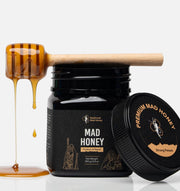
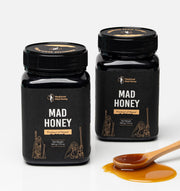
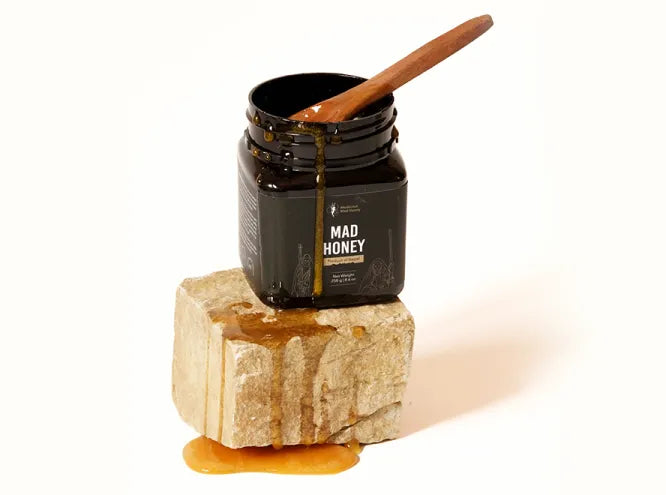
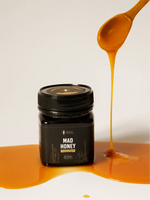
- Mad Honey: The dark-colored Himalayan Elixir, overpowering, almost intoxicating flavor of the mad honey extracted from the Himalayas has earthy, bitter overtones. The honey comes from the nectar of rhododendron flowers, containing grayanotoxins, thereby creating a light, hallucinogenic effect when taken in big amounts. Historically applied for its psychoactive properties, it has been ingested for centuries in parts of Nepal and Turkey.
-
Manuka Honey: This honey is New Zealand's Liquid Gold derived from the nectar of the manuka bush. Dark, thick with rich, earthy flavor and herbal undertones, it is famous for its strong antibacterial and healing properties as it has a special compound methylglyoxal (MGO).
-
Tupelo Honey: Tupelo honey is golden and clear honey extracted from the tupelo tree in the southeastern U.S. It has a buttery, smooth flavor and a tinge of citrusy note and is famous for its unique resistance to crystallization. This honey is a choice when one is looking for honey that can be stored for the long term.
-
Sidr Honey: Basically, Sidr honey is made out of the nectar extracted from trees of Sidr or Ziziphus in certain regions of Yemen and the Middle East. The complex richness- sweet and earthy flavor with the undertone of the honey is greatly valued.
-
Heather Honey: Heather honey is thick in body and high in antioxidants, thus often considered a "gourmet" honey. It is dark, has a strong, complex flavor profile and is slightly bitter with floral and herbaceous notes. You can use the honey in cooking, mixing with tea or pair it up with strong cheeses and meats.
-
Acacia Honey: A honey with flower-like notes and moderately sweet, acacia holds exceptional smoothness, and a low probability of crystallization because of a very high amount of fructose contained therein. Its neutral taste makes it a perfect all-purpose sweetener.
All of these exotic honey types have something unique and special to deliver. Each has something different to offer in the world of honey, whether for medicinal application or gourmet indulgence.
Recommended Read : Magic Honey of Nepal : Experience the Magic with Mad Honey
How Honey Varieties Differ Geographically
Variants of honey differ profoundly due to their issuance from different geographical regions. Like wine, its flavor, color and texture are influenced by many variables particular to that region alone. The varieties of flowers available to the bees, the climate and condition of the soil and aspects of the ambient environment are included. How regions create their own unique honey profiles is described below.
-
Floral Sources: The taste of honey depends on the nectar collected from flowers. The floral source is different in each region. For example, Manuka honey from New Zealand totally is from the nectar of the Manuka bush, while Tupelo honey's nectar is from tupelo trees. The local flora determines the taste, color, and all other properties of the honey.
- Climate and Soil: Apart from flora, honey can also be influenced by the local climate and soil. A warm, temperate climate with plenty of wild flowers, for example, great swathes of Europe and North America-produce light honeys with mild flavors, such as Acacia honey. In great contrast, the harsh, dry climates of the Middle East produce more robust, herbal flavors of honey made from the nectar of the Sidr tree.
-
Regional Influences: Geographic regions offer their particular environments for honey production, hence adding special qualities to honey. Heather honey, from the UK and Scotland, for instance, is dark in color and earthy in flavor mainly because of the huge amount of heather flowers in that cool, temperate climate. Honey from the Mediterranean region, however, is lighter in color and more delicate in flavor because a wide variety of wildflowers grow in this region.
-
Altitude: High-altitude regions, like those in the Himalayas of Nepal, produce what is called Mad honey, unique for its hallucinogenic effects due to the nectar of rhododendron flowers. The altitude and specific plants in these areas create a honey that is not only rare but also potent.
Generally speaking, several characteristics define the flavor and personality of honey depending on the region or place it hails from, such as types of flowers and plants, and climate, these all impact the individual uniqueness of that particular honey type and truly reflect geographical representation.
Regional Specialties in the United States
The United States has different climates and ecosystems which makes the environment here ideal for different honey types. Some of the noted regional honey specialties with specific flavors and characteristics include:
-
Clover Honey (Midwest and Northern U.S.)
Clover honey is a popular honey variety of the U.S. It comes primarily from the Midwest, has a light amber to pale golden color and a mild floral sweetness.
-
Tupelo Honey (Southeastern U.S.)
Light, golden in color, buttery smooth and slightly fruity flavored, Tupelo honey is produced primarily in the swamps of Florida and Georgia. It does not crystallize easily which makes it a very popular regional product. -
Orange Blossom Honey (California, Florida)
Light colored and citrusy, orange blossom honey is found across the United States mainly in California and Florida. Due to the refreshing and slightly tangy taste, the honey is popular in sweetening drinks or as a drizzle over fruits and desserts.
-
Buckwheat Honey - Northeast and Upper Midwest U.S.
This honey has dark, rich, robust, and slightly malty flavor with earthy undertones and is a regional specialty of the Northeast and Upper Midwest and can be used in every recipe from cooking and baking to being poured over pancakes and waffles.
-
Sourwood Honey (Appalachian Mountains)
This honey is light amber colored and has unique hints of spice and caramel. Sourwood honey comes from the nectar of sourwood trees, mainly from the Appalachian Mountains and, more importantly, North Carolina and Tennessee.
-
Alfalfa Honey (Western U.S.)
This is generally produced in the Western U.S. states like Montana and Wyoming where there are alfalfa fields in ample abundance. It has a clean and delicate flavor, making it a good sweetener choice for many recipes.
-
Wildflower Honey - Various Regions
In the regions where wildflowers are found abundantly, wildflower honey is extracted. Different regions have varying blooming species of wildflowers so the flavors are different.
-
Blueberry Honey (Northeast U.S.)
Blueberry honey is produced in parts of the Northeast mainly in Maine where wild blueberries abound. It has a distinct sweet flavor and is very popular regionally in sweetening desserts or adding to smoothies.
Each of these honey varieties carries the essence of the local flora and climate of the geographic region. The wide variety of honey produced within the United States is a wonderful representation of the nation's diverse landscapes and ecosystems.
Each of these honey varieties speaks to its particular geographic region, reflecting the local flora, climate, and agricultural practices. The rich variety of honey produced within the United States is a wonderful representation of the nation's diverse landscapes and ecosystems.
How to Choose the Right Honey for Your Needs
Honey comes in a wide variety of colors, flavors, and textures with their own special qualities. What you choose depends on your culinary needs and the uses you are focusing on.
General Sweetening-Beverages, Baking, etc.
- Mild, Light Honey: Clovers or Acacia honey are highly popular. Delicate in taste, with a smooth texture, these honeys will suit sweetening tea, coffee, or baking without overpowering flavors. These honeys are versatile and can easily be incorporated into a wide range of dishes.
For Medicinal or Therapeutic Use:
-
Manuka Honey: Buckwheat honey has a strong taste and is best pair for cheese, meats, or roasted vegetables. Its robust, earthy flavor perfectly complements bold dishes.
-
Sidr Honey: Sidr honey is highly rich in flavor, and beyond is very healthy. This honey is best to improve immunity especially when one is suffering from a sore throat.
For Rich Flavor in Cooking or Pairing with Foods:
-
Buckwheat Honey: Buckwheat honey has a strong taste and is best pair for cheese, meats, or roasted vegetables. Its robust, earthy flavor perfectly complements bold dishes.
- Heather Honey: Heather honey has strong and complicated flavors of gourmet honey, so it is used to give a special touch to savory food or also as a topping for desserts.
Health Benefits
Buckwheat Honey or Wildflower Honey: Both buckwheat honey and wildflower are antioxidant-rich, and can do very good to your immunity and have anti-inflammatory properties too. If one consumes this honey, it can offer overall well-being.
For Something Different or an Exotic Taste:
- Mad Honey: This options can be of interest for those who are looking for something very different. Mad Honey from Nepal or Turkey has mild psychoactive effects due to grayanotoxins in rhododendron nectar. A exotic variety from the Himalayas, it is a package of wild flower taste, floral aroma and euphoric experience.
For Long Term Storage:
-
Tupelo Honey: Whenever thinking about honey which doesn't crystallize and lasts forever one may go for Tupelo honey. This is a great smooth honey option for long-term utilization due to non-spoiling properties.
Tips for Buying Authentic, Unfiltered Honey
To choose the most authentic honey, look for "raw" and "unfiltered" on the labels. Such honey type has undergone minimal processing so it has whole nutrients like enzymes and antioxidants.
Look for honey sold by reliable local producers, reputable brands, organic and certified for more purity. Don't believe on cheap options. Raw honey can easily crystallize and in reality does not indicate spoilage. Darker the honey, the richer it is in antioxidants it is. Check the source as it is important to ensure high-quality, pure honey that has not been over-processed or diluted.
Conclusion
Honey, from nature, is much more than a delicacy, it is a commodity full of history, diversity, and health benefits. With the unique types, each different in taste and quality, numerous honey types exist spread over the world, honey keeps winning the hearts of people around the world.
From the sea of options, you can choose any honey to add an extra dimension to gastronomic pleasure and offer additional health benefits. Before making a purchase, getting to know how genuine it is and whether it fits your preference list makes it easier to make the best choice and enjoy it in its full glory.
Frequently Asked Questions
What Makes Raw Honey Different from Commercial Honey?
Raw honey is not the same as store-bought honey. It does not go through heating or ultra-filtering, it is absolutely similar to what's on the honeycombs.
Can Honey Go Bad?
Honey lasts a long time. This is because it has a very low water activity. So, normally honey doesn't go bad.
How to Best Store Honey to Preserve Its Quality?
For the best way to store honey, put it in a container that is airtight and use clean and dry spoon each time you want to scoop it out.
What is raw honey?
Raw honey is natural honey obtained directly from honeycombs, a variety not pasteurized or processed. As not processed all the natural enzymes, antioxidants and compounds remain intact within it.
Why does honey crystallize?
Honey crystallizes over time because it is made of sugars, especially glucose which can separate and solidify over time. Actually, this is more common in raw honey because no heat is used to dissolve already existing crystals.
How can I prevent honey from crystallizing?
To halt the crystallization process, consumers should focus on preservation. Put the jar on cool and dry place and the quality will remain the same for a long time. Also, be careful while handling, only use clean and dry utensils.
Is honey healthy?
Yes, honey is a natural food product loaded with nutrients. It has antioxidants, antimicrobial properties and is well known as a remedy for respiratory-related illness.
What is the difference between types of honey?
Honey types depend on the floral source from which it is collected. For instance, Manuka honey has very strong medicinal qualities, while clover honey is lighter and quite excellent for general sweetening.
Can honey be used for skin care?
Yes, honey encompasses a number of beneficial properties, such as its moisturizing and antibacterial features, making the ingredient favorite in many skin care products pertaining to wound care and hydration. Explore further usage of the honey.
How will I know if honey is pure?
Look for labels saying "raw" or "unfiltered." The crystallizing of pure honey can also occur after some time; it has to taste naturally floral in texture and flavor.
Is honey safe for babies?
Honey should never be given to children less than 1 year old because of the risk of infant botulism. There's no studies regarding the safety, so it's best for this age group to avoid the consumption.
What is the best use of honey?
The best use of honey is as a natural alternative to table sugar- in tea, smoothies, baking, and cooking. It is also a wellness remedy for soothing a sore throat.